Dog Harness vs. Collar for Dogs: Which is the Best Choice for Your Pet?
One of the first choices you have to make when adopting a dog is how you will handle them when you go on walks. Dog collars and dog harnesses are the two most popular options. After all, which option is better for your pet? You can choose the best option for your pet by reading this blog post, which explains the difference between a dog collar and a harness.
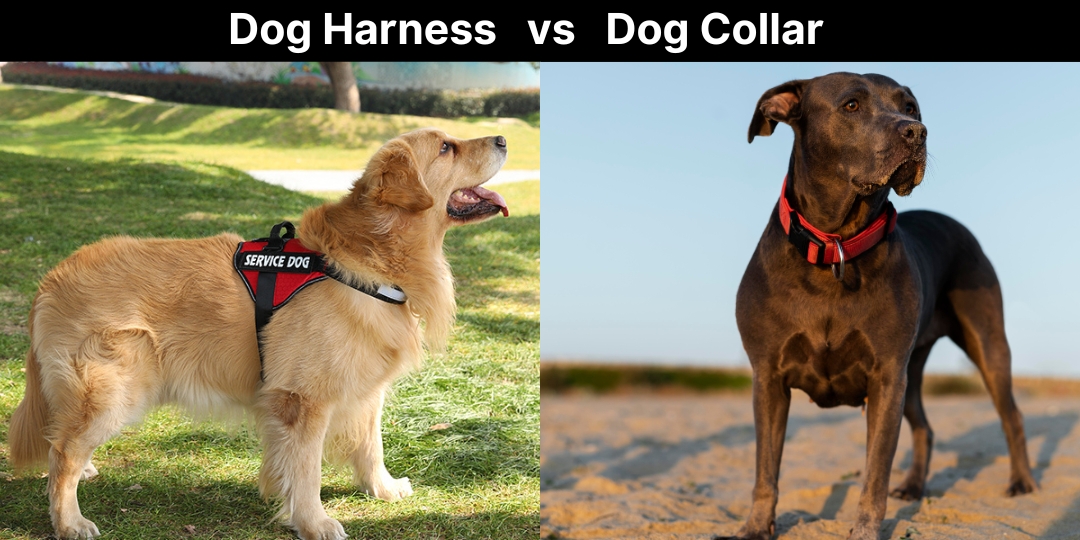
Understanding Dog Collars
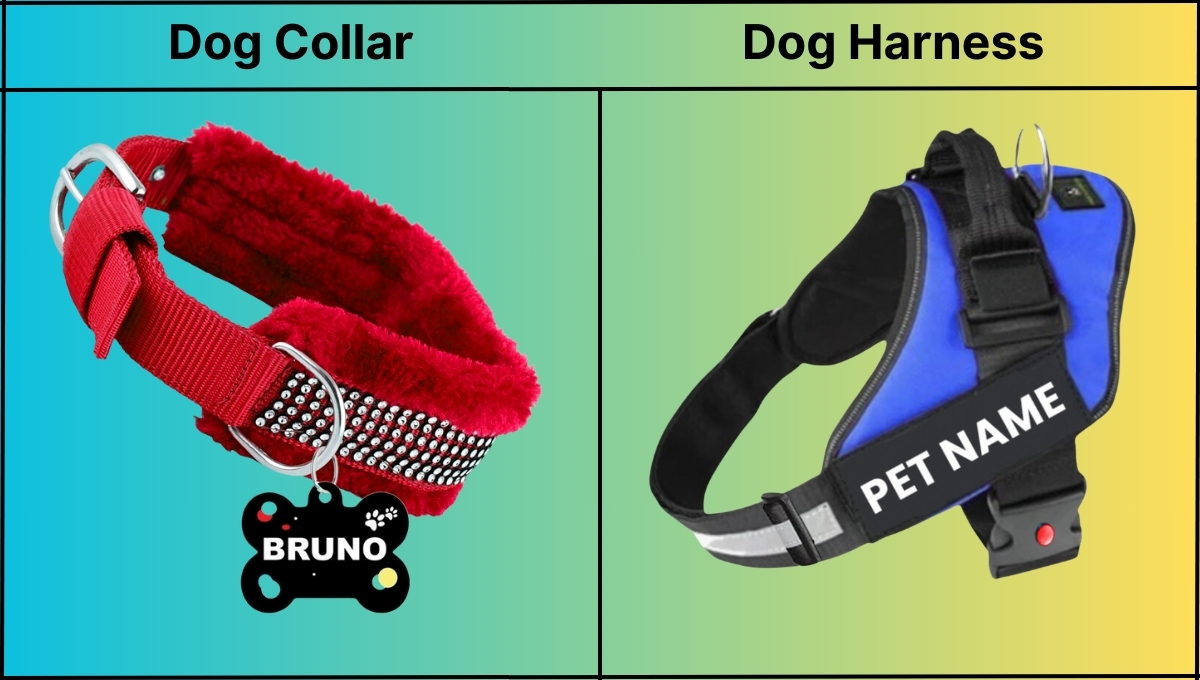
The most classic item of dog accessories is the collar. They are made from a variety of materials, including cotton, leather, and nylon, and they fit snugly around your dog's neck. Additionally, there are also different types of dog collars, such as:
- Flat Collars: The most popular collars are flat collars, which are simple and easy to use. They attach with a snap or buckle.
- Martingale collars: They are made to be softly tighter in response to your dog's pulling to keep them from slipping the collar.
- Head Collars: Head collars provide you greater control over your dog's head motions by wrapping around their neck and nose, much like a horse's halter.
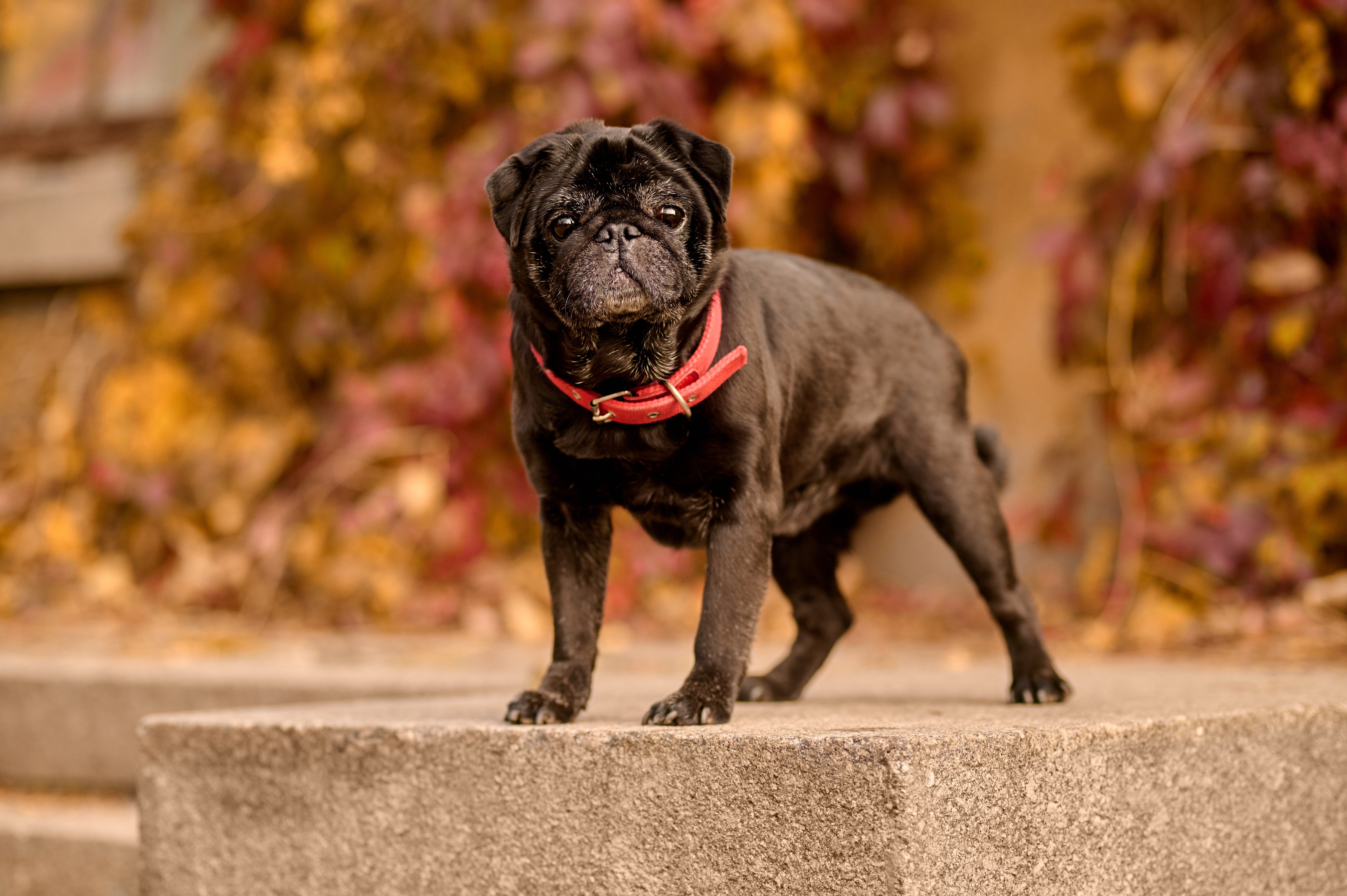
Benefits of using a Dog Collar
There are many reasons why dog collars are popular.
- Identification: If your dog ever goes missing, his ID tags, which are attached to the collar, will be of great help.
- Training: You can train your dog to stop pulling on the leash by using a collar such as a martingale collar.
- Convenience: The collars are easy to put on and take off, making short walks with them possible.
Drawbacks of Using a Dog Collar
However, dog collars could be better. The following are some possible drawbacks:
- Neck Injury: Your dog may suffer a neck injury if he pulls too hard on the leash.
- Tracheal injury: When a dog pulls on the collar too forcefully, it can cause tracheal injury, especially in small dogs or dogs with delicate throats.
- Limited control: Collars may not be suitable for maintaining control while walking dogs who pull quickly or become quickly distracted.
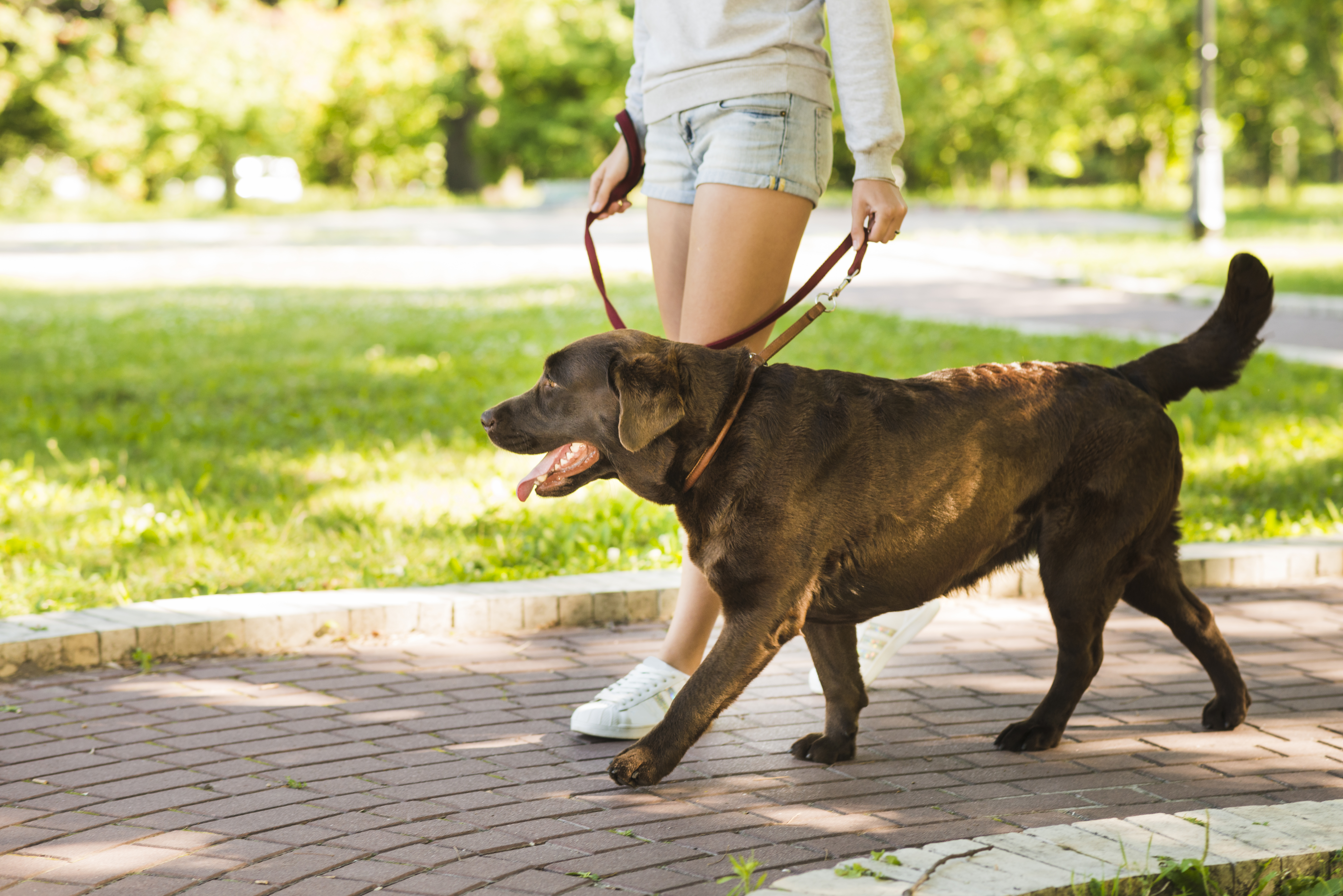
Understanding Dog Harnesses
Dog harnesses are made to suit your dog's body so that the pressure from the leash is distributed more equally. Dog harnesses come in different types, such as:
- Back-clip harness: This type of harness is suitable for well-trained dogs because the leash is attached to a D-ring on the back of the item.
- Front-clip harness: By focusing the dog's attention, the ring on the front of the harness works as an attachment point for the leash, reducing pressure.
- Dual-clip harness: These harnesses provide flexibility for training and control because they have attachment points on both the front and back.
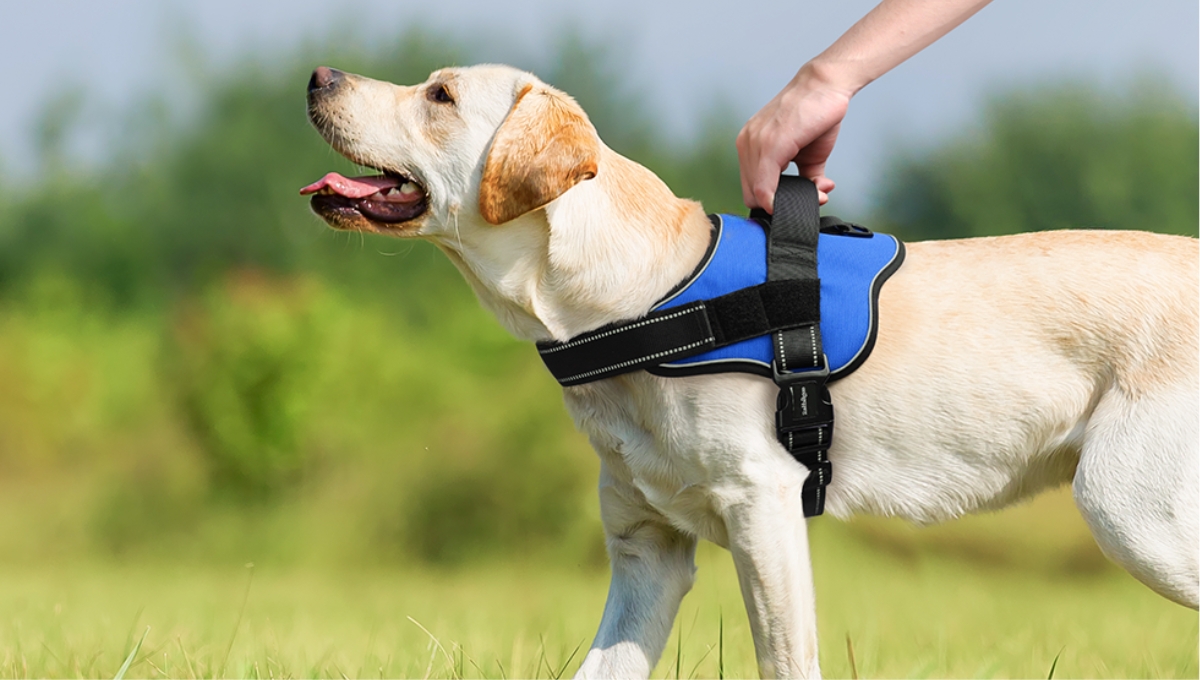
Benefits of Using a Dog Harness
Compared to collars, harnesses offer some advantages.
- Even Pressure Distribution: By evenly distributing the pressure from the leash on your dog's body, the harness reduces the chance of neck and throat injuries.
- Better Control: Dogs that are powerful pullers or are easily distracted benefit greatly from harnesses, which provide more control.
- Training Aid: When teaching dogs not to pull on the leash, front-clip harnesses are especially helpful.
- Comfort: Harnesses can be more comfortable for dogs, especially when going on long walks or outdoor adventures.
Drawbacks of Using a Dog Harness
Harnesses have advantages, but they also have some disadvantages:
- Complexity: Putting on and taking off the harness can be more difficult, especially if your dog is energetic or playful.
- Cost: Compared to collars, harnesses are usually more expensive.
- Size and Fit: Proper size and fit are important; An improperly fitted harness may irritate or be uncomfortable.
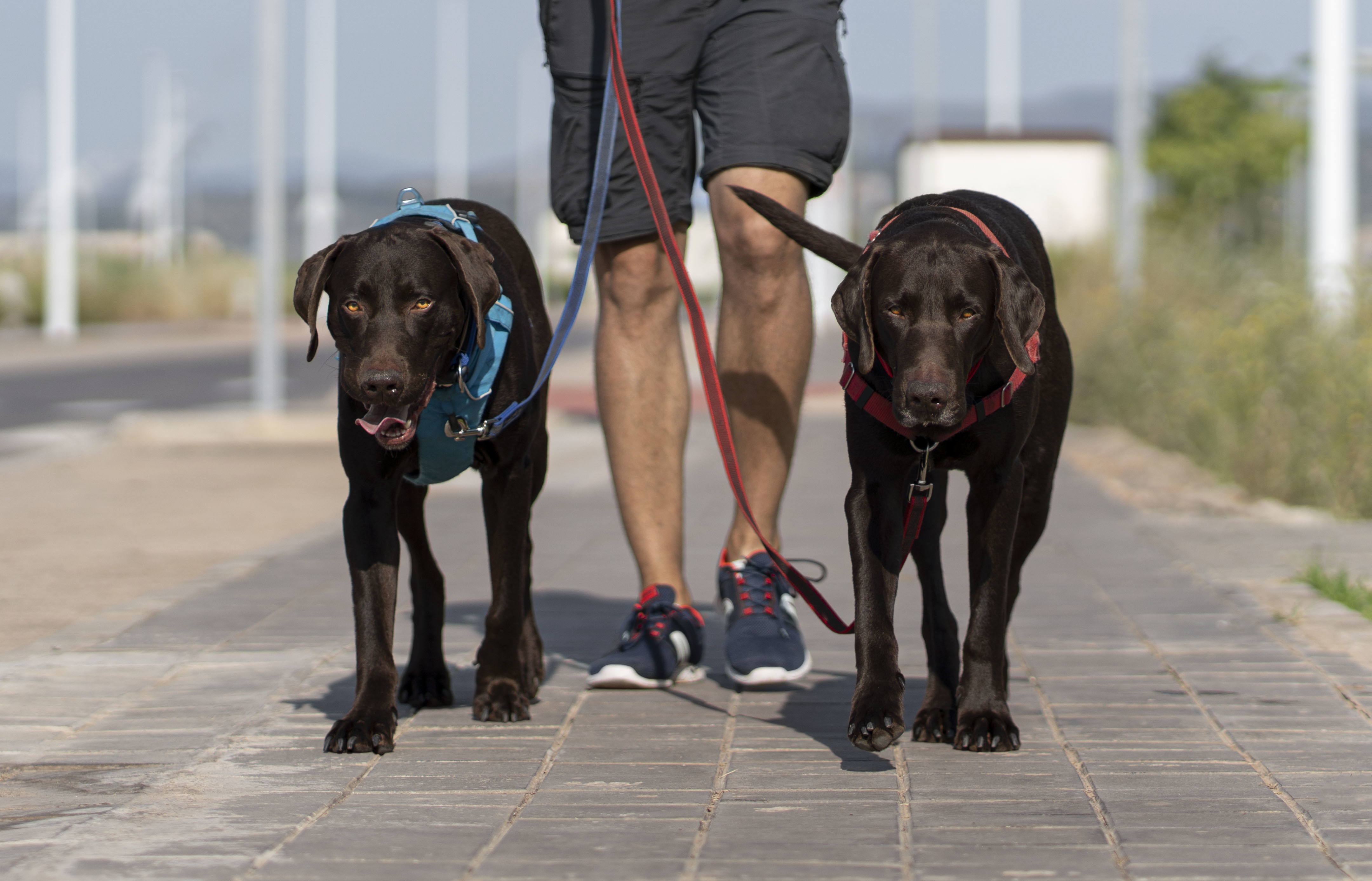
Comparing Dog Collars and Harnesses
Having discussed the basics of dog collars and harnesses, let's do a direct comparison of them in some important areas:
Control
Dog collars: Provide some basic controls, but they may not be enough for strong pullers.
Dog Harness: Provides better control, especially for larger or active dogs.
Security
Dog collars: If your dog pulls hard, they can damage his trachea or neck.
Dog Harness: Reduces the chance of injury by distributing pressure more evenly.
Training
Dog collar: Although some collars can help with training, not all dogs will benefit from them.
Dog Harness: Training dogs to pull is especially beneficial with a front-clip harness.
Comfort
Dog collar: Simple and user-friendly, but can be uncomfortable on long walks.
Dog harness: Generally more comfortable, especially when used for long walks.

Choosing the Best Choice for Your Dog
Consider the following when choosing between a dog harness and collar:
- Your dog's size and breed: While larger, stronger dogs may demand the extra control provided by a harness, smaller dogs or dogs with sensitive throats may benefit more from it.
- Your dog's behaviour: A harness can provide more comfort and control if your dog pulls hard or gets easily distracted.
- Training Requirements: Front-clip harnesses can be an effective tool for teaching dogs not to pull on the leash during training.
- Comfort and convenience: Think about how comfortable the gear is for your dog to walk as well as how easy it is to put on and take off.
Personal Experiences and Preferences
Sometimes, the best way to decide is to try both options and see which works better for you and your dog. While some dogs may find a harness more secure and comfortable, others may prefer the simplicity of a collar.
Tips for Using Dog Collars and Harnesses
Here are some helpful tips on how to use dog harnesses and collars:
- Proper Fit: Check that your dog fits comfortably in any collar or harness. You should be able to fit two fingers between the collar or harness and your dog's body; It should be comfortable but not too tight.
- Check for wear and tear: Regularly inspect your dog's collar or harness for signs of wear and tear and replace it if necessary.
- Use the right gear for the appropriate activity: For short walks or trips outside, think about using a harness and collar.
- Train your dog: Whether you use a collar or a harness, take the time to teach your dog to walk calmly on a leash.
Final Thoughts
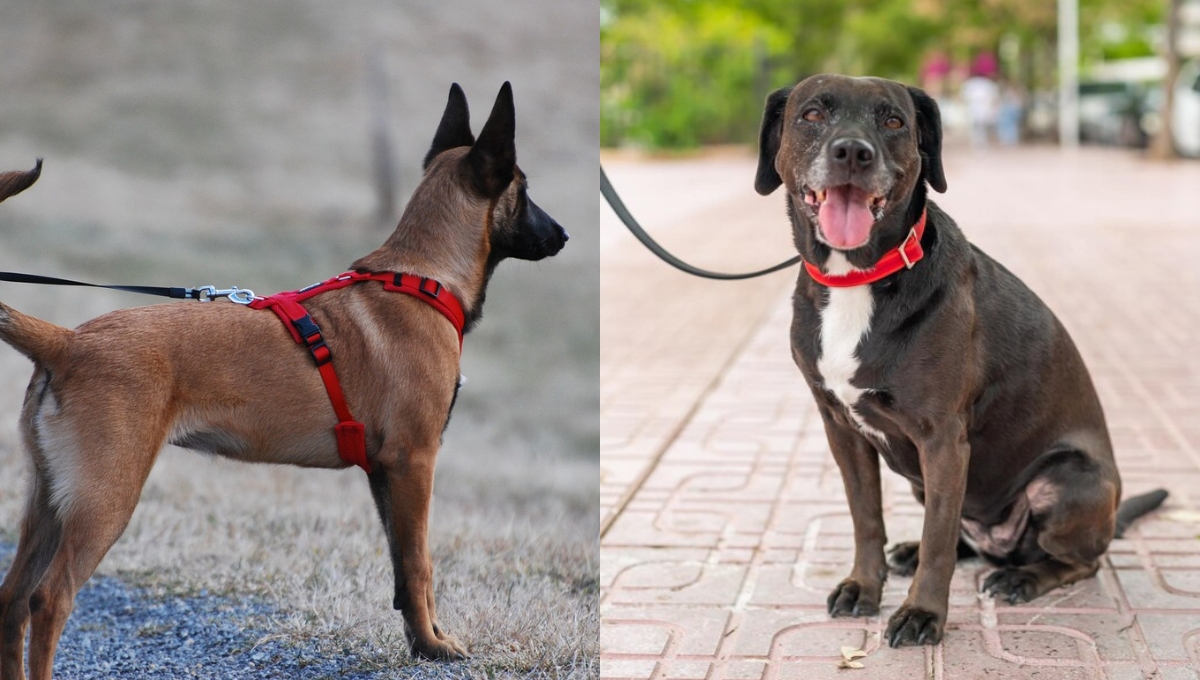
Depending on your dog's unique demands and behaviour, you can decide between a dog collar and a dog harness. Each option has advantages and disadvantages, and each dog will have a different ideal selection. You can make a smart decision that will ensure both the fun and safety of walking your dog by being aware of the differences and taking care to ensure their comfort and safety.
FAQ (Frequently Asked Questions)
Q: Can I use both a collar and harness on my dog?
Answer: Yes, many pet owners use both a collar for ID tags and a harness for walking to make sure their dog is safe and comfortable.
Q: Are harnesses better for small dogs?
Answer: Harnesses may be better for smaller dogs because they reduce the risk of tracheal damage and neck injuries.
Q: Can a harness stop my dog from pulling?
Answer: Front-clip harnesses can help reduce pulling by redirecting your dog's attention and making it harder for them to pull forward.
Q: How do I know if the collar or harness fits properly?
Answer: Proper fit is comfortable but not tight. You should be able to fit two fingers between the collar or harness and your dog's body.
Q: Are there specific breeds that should always use a harness?
Answer: Breeds with delicate necks, such as Chihuahuas and Greyhounds, may benefit more from a harness to prevent injuries.
In the end, both dog collars and harnesses have their place in your pet's life. By understanding their differences and knowing your dog's specific needs, you can choose the best option to keep your furry friend happy, safe, and comfortable during walks.