Dogs Insurance: Everything You Need to Know 2025
The top priority for pet owners is keeping their dogs safe and healthy. Regarding the need for routine veterinary examinations and proper care, unexpected health issues may arise at any time. In this case, dog insurance allows pet owners to feel more satisfaction knowing that their furry pets are protected from unexpected health care costs.
This article will cover all you need to know about dog insurance, including its benefits, types of coverage, and how to choose the best plan for your pet.
Whether you're a first-time dog owner or someone who wants to learn more about dog pet insurance, this article will provide you with the answers you need. Important topics like doctor insurance, dog health insurance, and puppy insurance.

What is Dog Insurance?
Dog insurance is a kind of policy that helps cover all the costs of your dog's health care. It functions equally to human health protection in that monthly payments are made in exchange for assistance in covering your dog's medical bills in the event of a serious illness or accident. A good dog health insurance policy can help avoid unexpected medical costs and allow you to focus on your pet's well-being without worrying about the cost.
Important Advantages of Dog Insurance
- Financial Protection: Helpful to manage the costs of unexpected physician treatment.
- Peace of Mind: Reduces the stress of having to choose between your dog's health and your cash.
- Comprehensive Coverage: Some policies include coverage for all sickness, accidents, regular medical care, and even treatments that are avoidance.
Plans that can be customized provide you the freedom to select coverage according to your dog's needs and budget.
.jpg)
Types of Dog Insurance Coverage
When selecting the best plan, it is important to understand all of the kinds of dog insurance coverage that are available. Plans are different from one another, and the range can change based on the insurance company. The most popular kinds of dog insurance policies are as follows:
1. Coverage Particular to Accidents
The most basic type of dog pet insurance is accident-only coverage. It only pays for accident-related treatment costs, such as those for injuries to fractured bones or injuries suffered in auto accidents. It is usually the least costly choice, except for routine care and illnesses.
2. Accident and Health Insurance
This kind of dog insurance is one of the most popular. It deals with chronic conditions including infections, cancer, and chewable issues in between illness and accidents. For pet owners who wish to feel confident if their dog gets sick, accident and illness insurance provides further security.
3. Extensive Protection
The best dog health insurance policies cover everything from diseases and accidents to preventive care like regular checkups, worm treatments, and immunizations. Dental care, behavioural therapy, and alternative treatments like Oriental medicine may also be covered by certain insurers.
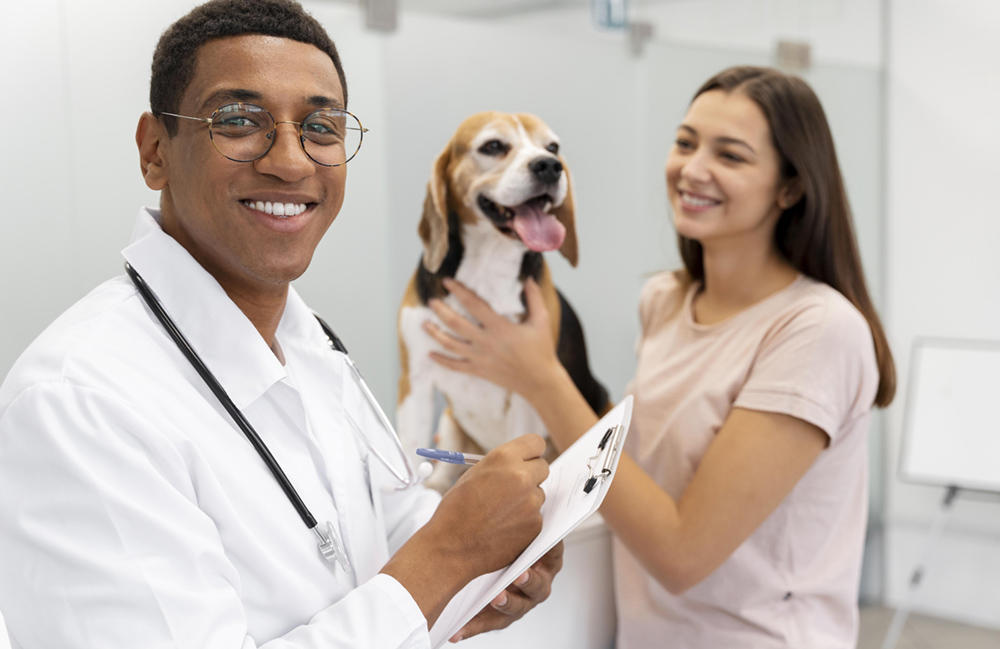
4. Insurance for Puppies
Puppy insurance can be a fantastic choice if you recently took a puppy into your house to cover wellness care and early health issues. At this age, accidents are frequent, and puppies are more open to illness. You can make sure your child is safe during their critical first few months of life by getting puppy insurance.
What Is Usually Covered by Dog Insurance?
It's important to understand what kinds of medicines and conditions usually have coverage when thinking about dog insurance. A variety of medical conditions are covered by the majority of dog health insurance policies. The policy and the insurance company, however, select the precise coverage.
Common Inclusions
- Accidents: accident-related injuries, like muscle broken bones, and vehicle-related injuries.
- Illnesses: Immediate and long-term illnesses, such as infections, digestive issues, and genetic diseases are covered.
- Surgery: Insurance for operations caused by diseases or accidents.
- Emergency Care: Provides insurance for urgent care visits to emergency veterinary facilities.
- Diagnostic Tests: X-rays, blood tests, and other methods of diagnosis are examples of diagnostic tests.
- Prescription Drugs: drugs that the doctor recommends to treat diseases or injuries.
.jpg)
Extra Protection (all-inclusive plans)
- Preventive Care: Early detection includes health checks, vaccinations, and protection against ticks and flea infestations.
- Dental Care: Protection against dental disease-related procedures or cleanings.
- Solutions Therapies: Acupuncture, adjustments to the spine, and bathing may be covered by some insurance policies.
What is Not Covered by Dog Insurance?
- Common Exclusions: Knowing what usually is not covered by dog insurance is important. Knowing the limitations will help you avoid unforeseen expenses when it comes time to file a claim.
- Existing situations: Most policies do not cover conditions that took place before you received insurance. Your dog will not be covered if they were diagnosed with an ongoing medical condition when purchasing this policy.
- Routine Care: Regular grooming, nail care, and wellness tests may not be covered unless you have a full insurance plan.
- Breeding Costs: Usually, these costs include pregnancy, the baby, and breeding.
- Cosmetic Procedures: Optional or cosmetic surgeries, such as cutting off the tail or removing the ears, are not covered by this coverage.
How to Choose the Right Dog Insurance Plan
Selecting the best dog's medical insurance may be difficult with so many options. To help you make the best choice, the following aspects should be taken carefully into thought:
1. Assess Your Dog's Needs
The first step is to figure out your dog's particular medical requirements. In that case, you could choose to consider buying puppy insurance that covers vaccinations. and many safety insurances throughout the puppy's life. If your dog is elderly, regulations to chronic illnesses and issues related to age need special care.

2. Look at Your Protection Options
Not every insurance plan is the same. Make sure to assess the options provided by different tools and retailers. Understand the requirements and types of insurance that are included (accidents, illnesses, routine care) and what exclusions apply.
3. Consider the Price
The monthly costs may vary according to your dog's breed, age, location, and level of protection. Finding a balance between cost and complete security is important, even while choosing a budget-friendly plan may seem useful. Some low-cost plans might not cover the conditions you're most worried about.
4. Look Over Reviews
Reading through customer reviews and comments might give you more information about the specific provider's approved process and customer assistance. If the company provides outstanding customer service and a simple complaints process, your experience will be more enjoyable.
5. Verify Waiting Times
Before coverage starts, almost all insurance providers impose a waiting period. Depending on the provider, this time duration may vary from a few days to many weeks. To ensure that your dog is not left unattended in the event of an emergency, be sure you understand of this waiting period.
What Is the Price of Dog Insurance?
The level of coverage, the breed, age, and location of your dog are some of the things that affect the price of dog health insurance. For accident and illness coverage, dog insurance costs generally range from ₹2500 to ₹4500 per month. The monthly cost may increase to ₹5000 or more for greater levels of coverage that cover preventative health services.

Factors Affecting Dog Insurance Cost
- Breed: Some breeds are more likely to have genetic diseases, which could increase rates for insurance.
- Age: Senior dog rates generally tend to be higher because older dogs usually need more medical care.
- Location: Local differences in medical bills may have an effect on the cost of insurance.
- Coverage Level: In general, complete policies with more items cost more.
Reasons to Investigate Dog Insurance
- Protection Against Costly Medical Costs: Recovery from even small injuries or diseases can be highly costly, especially if surgery or emergency care are needed.
- Peace of Mind: If you have dog insurance, you can rest easy knowing that lack of funds won't stop you from giving your dog the care they need.

Conclusion
Dog insurance is a safety net that can secure your financial security as well as the health of your dog. Getting proper dog insurance can provide you peace of mind and protect you against unexpected medical bills, no matter how old your dog is. There is a policy to suit every pet owner's needs and budget, offering full plans that include regular grooming and choices like puppy insurance.