The Ultimate Guide to Pomeranian Dogs: History, Traits, and Care Tips
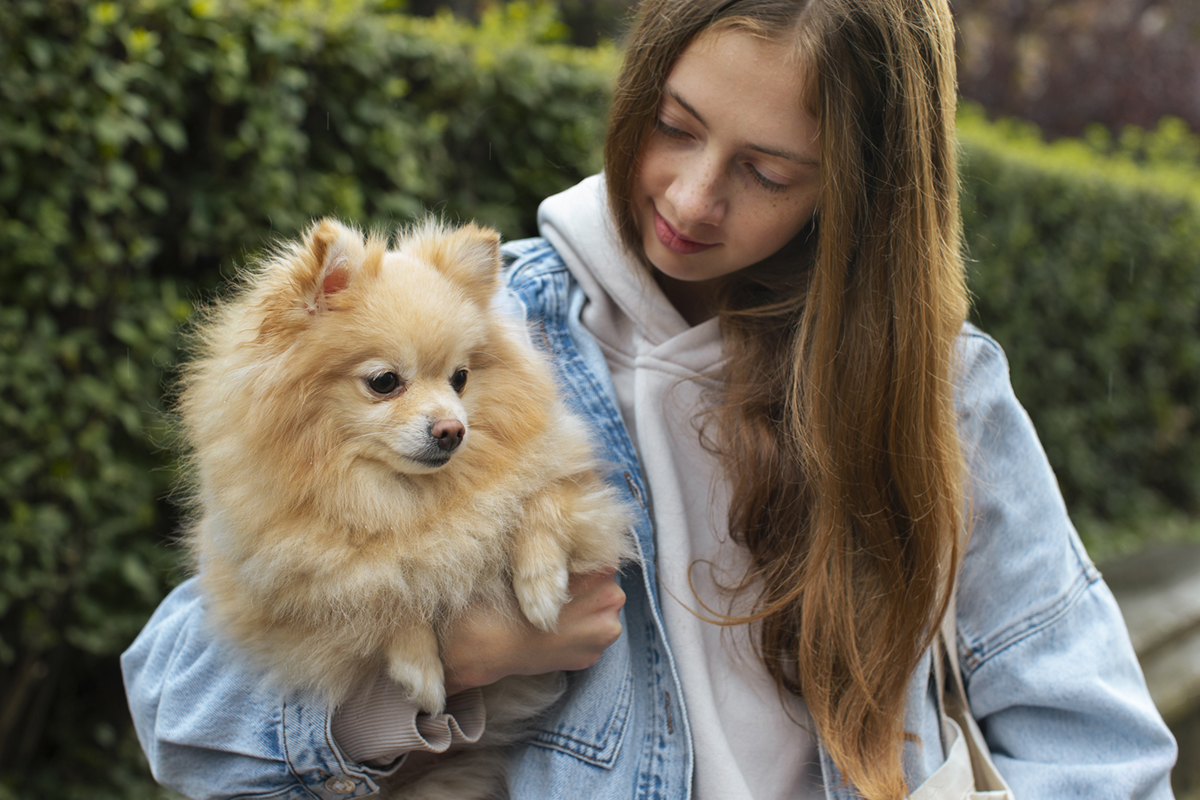
Pomeranians are small dogs with big personalities. They are known for their fluffy coats and playful nature, They have become one of the most popular toy breeds around the world. If you're thinking about adding a Pomeranian to your family or just want to learn more about these adorable dogs, this guide covers their history, traits, and care tips to help you understand what makes Pomeranians so special.

The History of Pomeranian Dogs
The Pomeranian breed comes from the Pomerania region, located near the Baltic Sea in what is now Germany and Poland. Originally, these dogs were very large, Weight between 1.36 to 3.17 kg, and were used for herding sheep and pulling sleds. They belonged to the Spitz family, a group of dogs known for their thick fur, pointed ears, and curled tails.
The Pomeranian, as we know it today, began to emerge in the 18th century. This change was largely due to Queen Victoria of England, who fell in love with a small Pomeranian while travelling in Italy. She began breeding them, favouring the smaller size, and quickly popularized the breed across Europe.
.jpg)
By the beginning of the 20th century, the Pomeranian had become the small, toy-sized breed now loved around the world. They were officially recognized by the American Kennel Club in 1888. The Pomeranian remains a favourite among dog lovers.
Pomeranian Traits: What Makes Them Stand Out
Pomeranians are known for their distinctive looks and vibrant personalities. Here’s what makes them stand out:
Size and Appearance
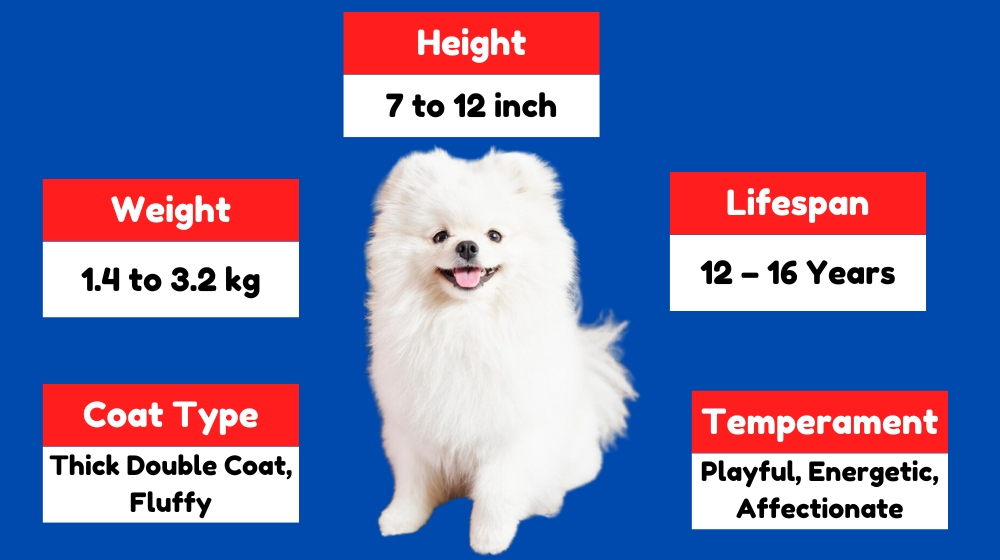
- Weight & Size: Pomeranians typically weigh between 1.36 to 3.17 Kg and stand about 20-36 Cm tall. Despite their small size, they are strong and well-built dogs.
- Coat: Their thick double coat is one of their most recognizable characteristics. The outer coat is long and straight, while the undercoat is soft and dense, giving it a fluffy appearance.
- Variety of Colors: Pomeranians come in a wide range of colours, including orange, black, white, red, blue, and cream. Some also have unique patterns, such as sable or merle, which add to their attractiveness.
Personality
- Loyal and Loving: Pomeranians are very loyal to their owners and enjoy being the centre of attention. They form strong bonds with their family members and love to be involved in daily activities.
- Alert and Intelligent: Pomeranians are always alert, making them excellent watchdogs. Their intelligence makes them quick learners, which is great for training.
- Energetic and Playful: Pomeranians have a lot of energy! They enjoy playing games and going on walks, always ready for an adventure.
Temperament
- Confident: Pomeranians are known for their confident attitude. They often behave like very large dogs, which can make them a bit aggressive, but this confidence also means they are brave and courageous.
- Affectionate: These dogs are very affectionate and enjoy spending time with their owners, whether it’s playing, cuddling, or just sitting by your side.
- Vocal: Pomeranians are vocal dogs, often barking to alert their owners to anything unusual. Although this can be a great trait to have for a watchdog, it is important to train them to avoid excessive barking.
Caring for Your Pomeranian: Tips for a Healthy, Happy Dog
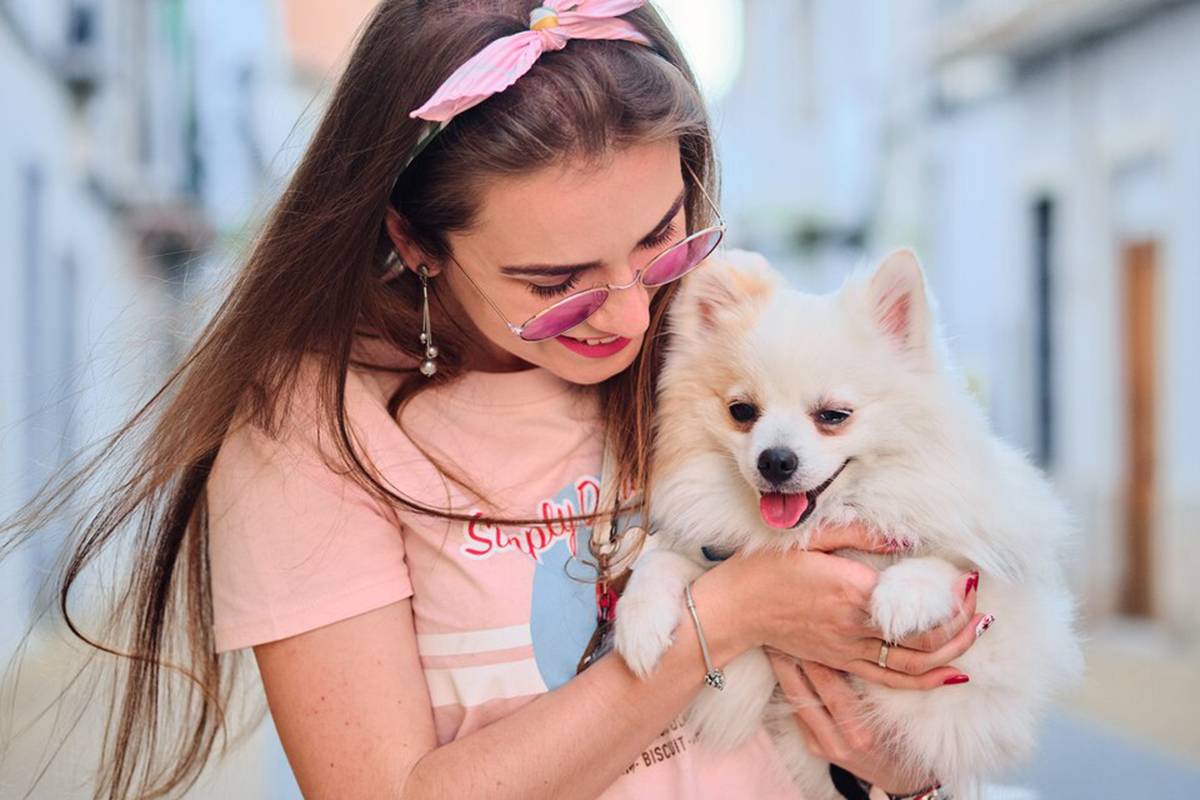
Owning a Pomeranian comes with specific responsibilities, but with the right care, your Pom will thrive and become an enjoyable companion. Here's what you need to know:
Grooming Needs
- Regular Brushing: To keep their coat in good condition, the Pomeranian needs regular brushing. Aim to brush their hair 3 to 4 times a week to keep their hair from getting matted and matted. Daily brushing is even better, especially during shedding season.
- Bathing: Pomeranians should be bathed every 3 to 4 weeks. Use a gentle, dog-specific shampoo to avoid skin irritation. After a bath, Make sure your Pom is completely dry, as their thick coat can trap moisture.
- Trimming and Nail Care: Regularly trim the hair around your Pomeranian's paws and face to keep them looking neat and clean. Also, check their nails and trim them as needed to prevent overgrowth, which can be uncomfortable.
Exercise and Play
- Daily Walks: Pomeranians need regular exercise to stay healthy and happy. A daily walk is a must, even if it’s just a short stroll around the neighbourhood.
- Playtime: Pomeranians love to play! Games like fetch or interactive toys can help burn off some of their energy and keep them mentally stimulated.
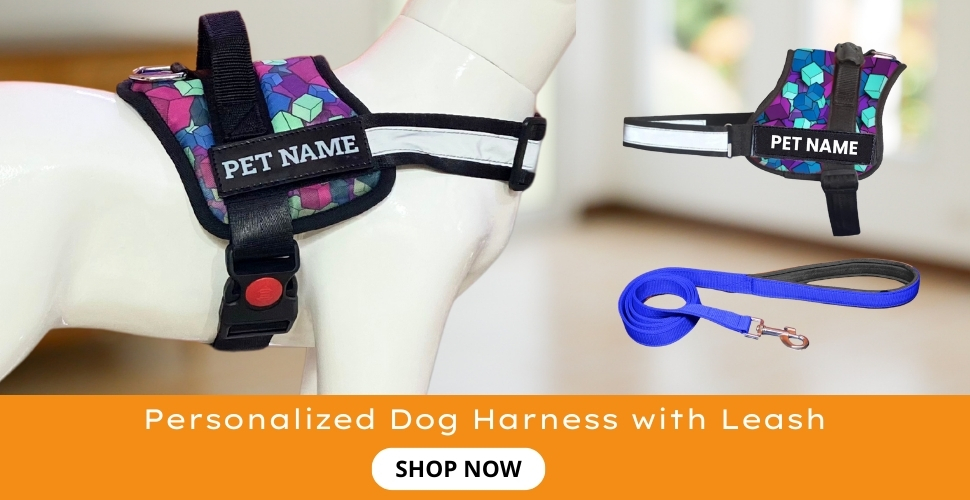
- Using a Dog Belt, Collar, and Leash: When taking your dog for a walk, use the appropriately sized dog collar and leash. Many Pomeranian owners prefer to use a dog belt, as it distributes the pressure more evenly on their small bodies and reduces the strain on their necks.
.jpg)
Health and Wellness
- Regular Vet Visits: Schedule regular check-ups with your veterinarian to ensure your Pomeranian stays in good health. Routine vaccinations, dental check-ups, and parasite prevention are essential parts of their care.
- Common Health Issues: Pomeranians are generally healthy dogs, but they can be prone to certain conditions such as dental problems, tracheal collapse and patellar luxation. Keep an eye out for any signs of discomfort or illness and seek veterinary care if necessary.
- Dental Care: Pomeranians need to practice good dental hygiene as they are prone to cavities. Their teeth and gums can be kept in good condition by chewing and brushing their teeth on a regular basis.
Feeding and Nutrition
- High-Quality Dog Food: Choose a high-quality dog food that’s formulated for small breeds. Pomeranians have specific nutritional needs, so it’s important that their food provides the right balance of protein, fats, and carbohydrates.
- Portion Control: Because Pomeranians are small, they don’t need large amounts of food. Measure their portions carefully to avoid overfeeding, which can lead to weight gain and related health problems.
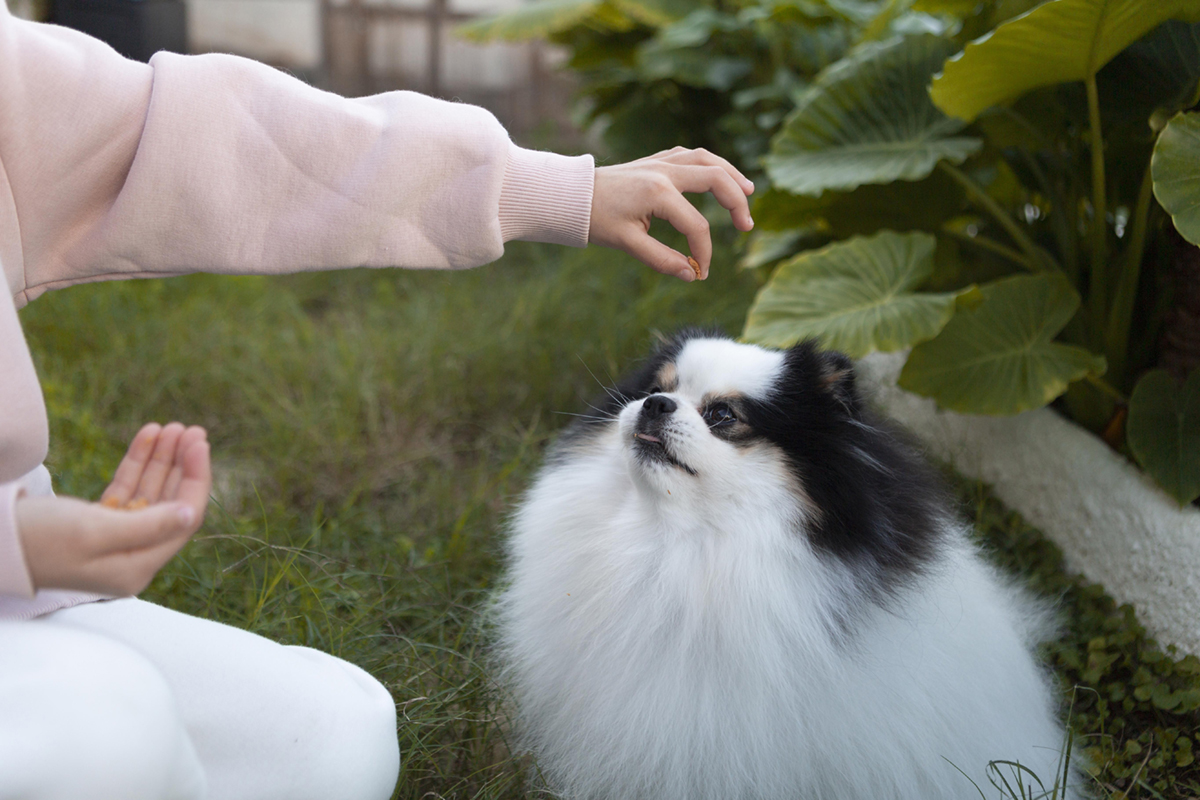
- Healthy Treats: Treats are great for training and rewarding your Pom, but be mindful of the quantity. Choose healthy, low-calorie dishes to avoid adding too many extra calories to your diet.
Training and Socialization
- Start Training Early: Begin training your Pomeranian as soon as possible. They are intelligent and eager to learn, but they can also be a little stubborn, so persistence and patience are important.
- Positive Reinforcement: Use positive reinforcement techniques like treats, praise, and affection to encourage good behaviour. Avoid harsh training methods, as they may cause anxiety or fear in your Pom.
- Socialization Matters: Introduce your Pomeranian to different people, animals, and environments from the beginning. Socialization helps them become well-adjusted, self-confident adults and prevents behavioural issues such as shyness or aggression.
Mental Stimulation
- Puzzle Toys: Pomeranians enjoy mental challenges, and puzzle toys are a great way to entertain them. These toys often involve receiving a reward for solving a problem, which keeps their minds sharp.
- Training Sessions: Regular training sessions are not just about obedience; They also provide mental exercise. Teaching your Pom new tricks or commands can be a fun way to bond and keep them engaged.
Why a Pomeranian Might Be the Perfect Pet for You
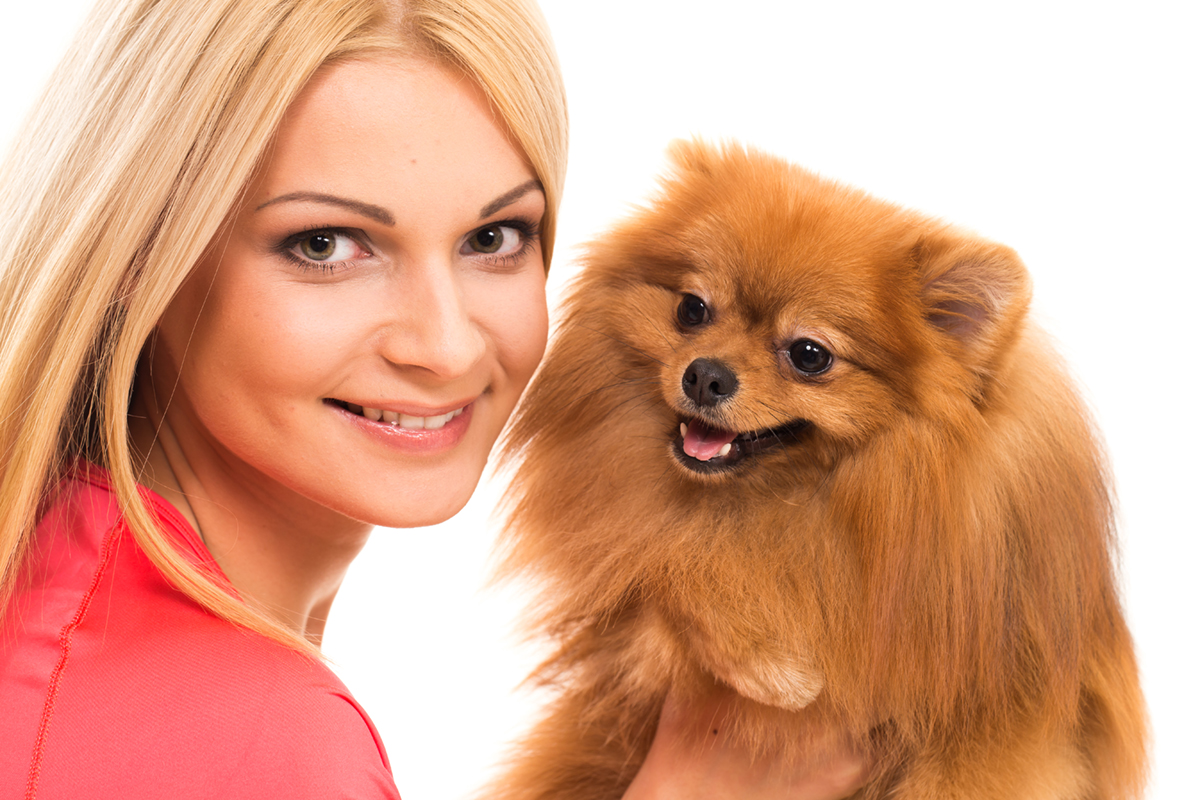
Pomeranians aren't just adorable; They are also loyal, intelligent, and full of energy. Their small size makes them ideal for apartment living, and their affectionate nature means they love being around their family. However, they do require a lot of attention, grooming, and exercise, so they are best suited to owners who have the time and dedication to meet their needs.
If you are looking for a dog that is both charming and playful, the Pomeranian may be the perfect pet for you. With the right care, your Pomeranian will be a loving and loyal companion for many years.
Comparing Pomeranians to Other Popular Small Breeds
To help you see how Pomeranians compare to other small dogs, here is a simple comparison of some popular breeds:
| Trait | Pomeranian | Chihuahua | Poodle (Toy) | Maltese |
| Size | 1.4–3.2 Kg | 1- 3 Kg | 3-4 Kg | 3-4 Kg |
| Height | 20-36 Cm | 8-23 Cm | 24-28 Cm | 21-25 Cm |
| Coat Type | Long and fluffy | Short and smooth | Curly and hypoallergenic | Long and silk |
| Colour Variety | Orange, black, white, red, blue, cream | Variety including tan, black, white, fawn | Variety including white, black, brown, apricot | White only |
| Temperament | Confident, alert, playful | Lively, loyal, bold | Intelligent, active, trainable | Gentle, affectionate |
| Grooming Needs | High (regular brushing) | Low (minimal grooming | High (regular grooming) | High (regular grooming) |
| Exercise Needs | Moderate (daily walks and play) | Low to moderate (short walks) | Moderate (daily exercise) | Low to moderate (daily walks) |
| Vocal Tendency | High (barks often) | High (barks often) | Moderate (may bark) | Low (quiet) |
| Training Ease | Moderate (intelligent but stubborn) | Moderate (smart but can be stubborn) | | |
Conclusion: Caring for Your Pomeranian
Owning a Pomeranian is a joyful experience, but it comes with responsibilities. From regular grooming to daily exercise and mental stimulation, every aspect of their care contributes to their overall well-being. Understanding their history and traits can help you appreciate what makes Pomeranians so special.
Whether it’s choosing the right dog collar and leash or ensuring they get enough playtime, taking care of a Pomeranian is about paying attention to the little details. With love and care, your Pomeranian will be a happy and healthy member of your family, bringing joy and companionship for years to come.
FAQ (Frequently Asked Questions)
Q. Are Pomeranians good for first-time dog owners?
Ans. Yes, Pomeranians can be a good choice for first-time dog owners. They are loyal, intelligent, and adaptable, but they do require regular grooming and attention.
Q. What is the average lifespan of a Pomeranian?
Ans. Pomeranians typically live between 12 to 16 years, although some can live even longer with proper care.
Q. Is a Pomeranian a good dog breed?
Ans. Yes, Pomeranians are a good breed, known for their lively personalities, intelligence, and affectionate nature, making them great companions.
Q. Can Pomeranian dogs live in India?
Ans. Yes, Pomeranians can live in India, but they may need extra care in hot climates, such as staying cool indoors and avoiding outdoor activities during peak heat.
Q. What does a Pomeranian eat?
Ans. Pomeranians eat high-quality dog food formulated for small breeds, with a balanced diet of proteins, fats, and carbohydrates.
Q. How much exercise does a Pomeranian need?
Ans. Pomeranians need moderate exercise. Daily walks and playtime help keep them healthy and happy.