The Ultimate Guide to Caring for Small Dog Breeds
Caring for small breed dogs can be an enjoyable experience. These little pups bring lots of joy and energy to any home. Whether you're new to owning a small dog or are looking to improve your care routine, this guide will help you understand how to give your little companion the best possible life.
Understanding Small Dog Breeds
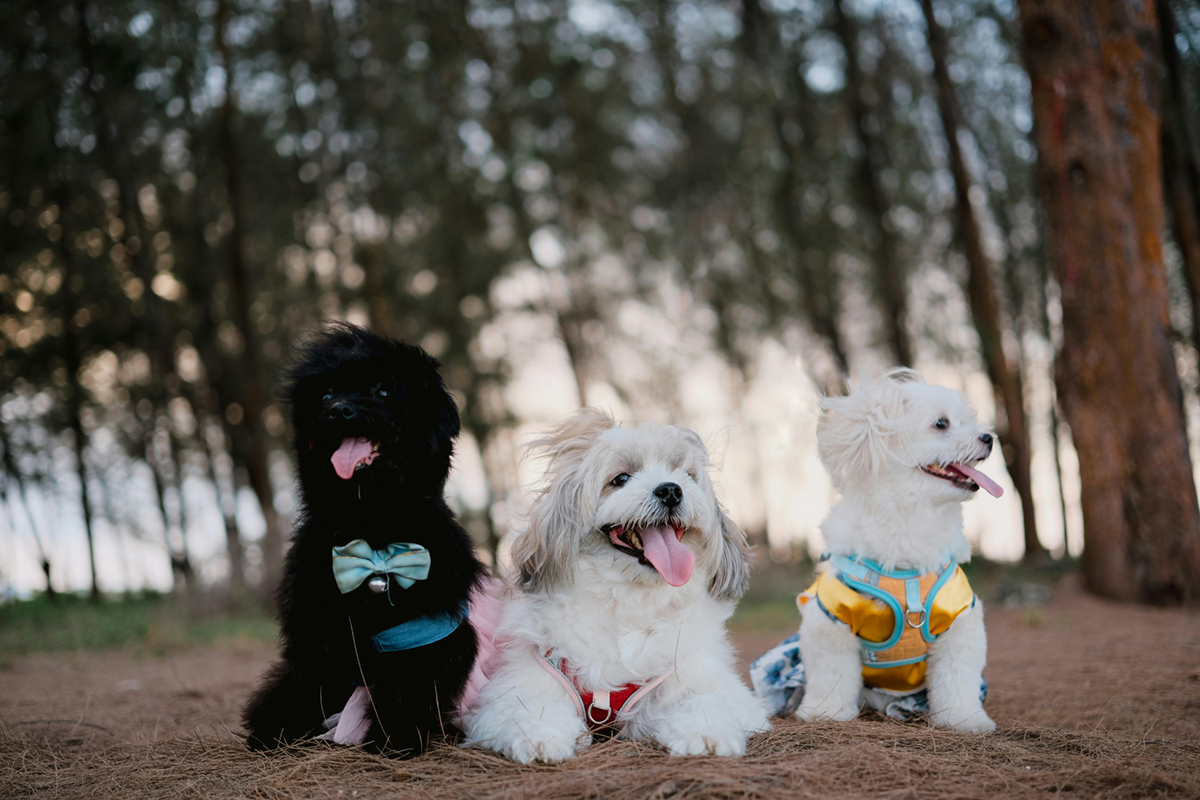
There are many types of small dog breeds, and each has special needs and characteristics. Shih Tzus, Pomeranians, Dachshunds, and Chihuahuas are some popular breeds of small dogs. Typically weighing less than 20 pounds, these dogs have different needs than larger breeds.
Why Small Dogs Are Special
Small dogs are known for having big personalities despite their small size. Compared to larger dogs, they are often more energetic and sometimes a little more vocal than larger dogs. Their small size makes them great companions for people living in apartments or homes with limited space, they can also be more delicate and sometimes require more care.
.jpg)
Creating a Safe and Comfortable Home
Your home is your little dog's castle. Making sure it is safe and comfortable is important for their well-being.
Safe Spaces
Small dogs need a comfortable safe space where they can relax and feel safe. This could be a small corner with a comfortable bed or crate where they can rest when they need some rest. Make sure this area is away from loud noises and high traffic so that they feel calm.
Puppy-Proofing
To keep your small dog safe, puppy-proofing is just as important as baby-proofing your home. here are some tips:
- Remove Small Objects: Small dogs can eat small objects, so keep small objects out of their reach.
- Safe Electrical Cords: Electrical cords can be dangerous, and dogs love to chew on them. Keep cords out of reach or use protectors.
- Keep Chemicals Locked Up: To avoid accidental use, cleaning supplies and other chemicals should be stored safely.
.jpg)
Proper Nutrition
Feeding your small dog the right food in the right amounts is important for their health and happiness.
Choosing the Right Food
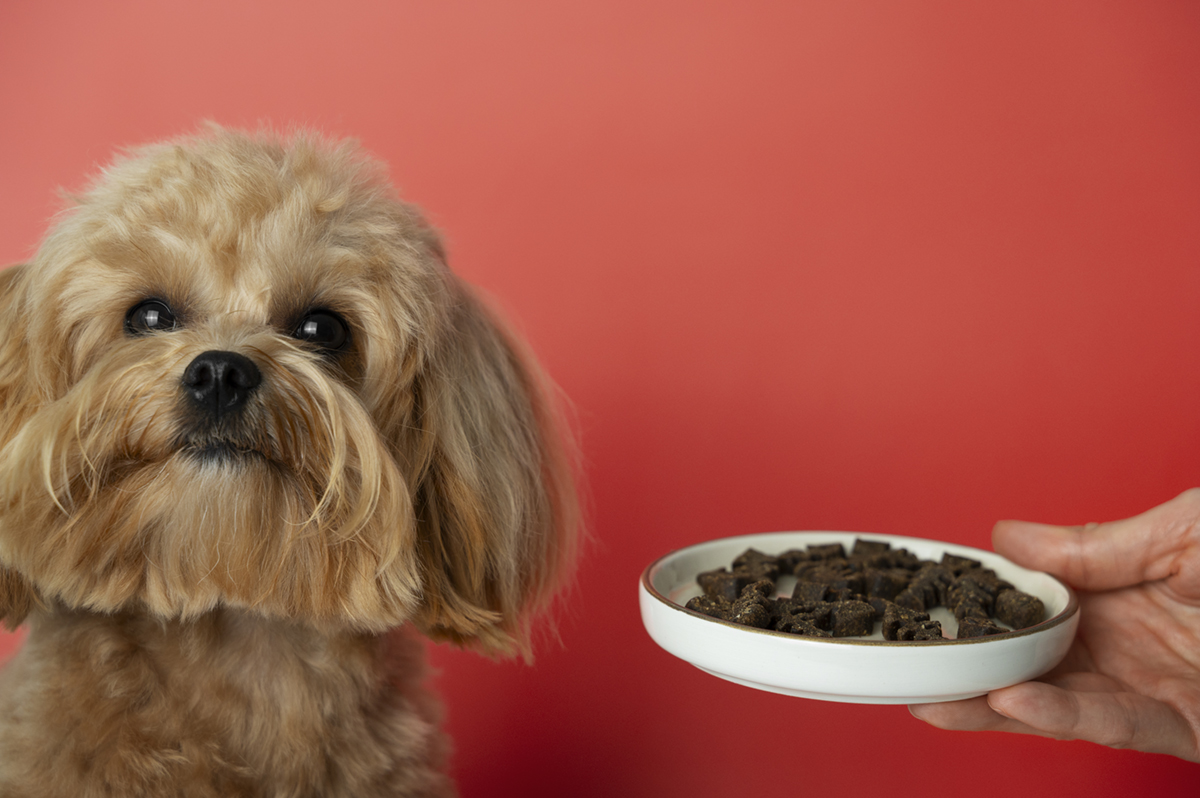
Small dogs need a nutrient-rich diet because their metabolism is faster than that of larger dogs. Choose the best dog food that is specifically made for small breeds. The small meal sizes in these foods make them easy for your dog to chew and process.
Fresh Water
Always make sure your dog has fresh water. Small dogs can become dehydrated quickly, especially if they are active.
Feeding Schedule
Establishing a regular feeding schedule is important. A great deal of small dogs manage two meals per day. Do not feed them leftovers from the table as human food can make them fat and sick.
Exercise and Playtime
Despite their small size, small dogs are very active. Regular play and exercise is essential for both their mental and physical health.
Daily walk
Taking your small dog for a daily walk is a great way to keep him fit and happy. Use a small dog harness instead of a collar to avoid putting pressure on their delicate neck. This is especially important for breeds at high risk of tracheal collapse, such as Chihuahuas.
Playtime
Interactive toys and games are excellent for keeping your small dog entertained. Puzzle toys, fetch, and tug of war are great ways to keep their minds and bodies engaged.
Socialization
Sometimes, small dogs can become anxious or nervous around strangers and other animals. Early socialization contributes to the development of their self-awareness and self-adjustment. Take them to dog parks and puppy classes, or arrange playtime with other pets.
.jpg)
Grooming Needs
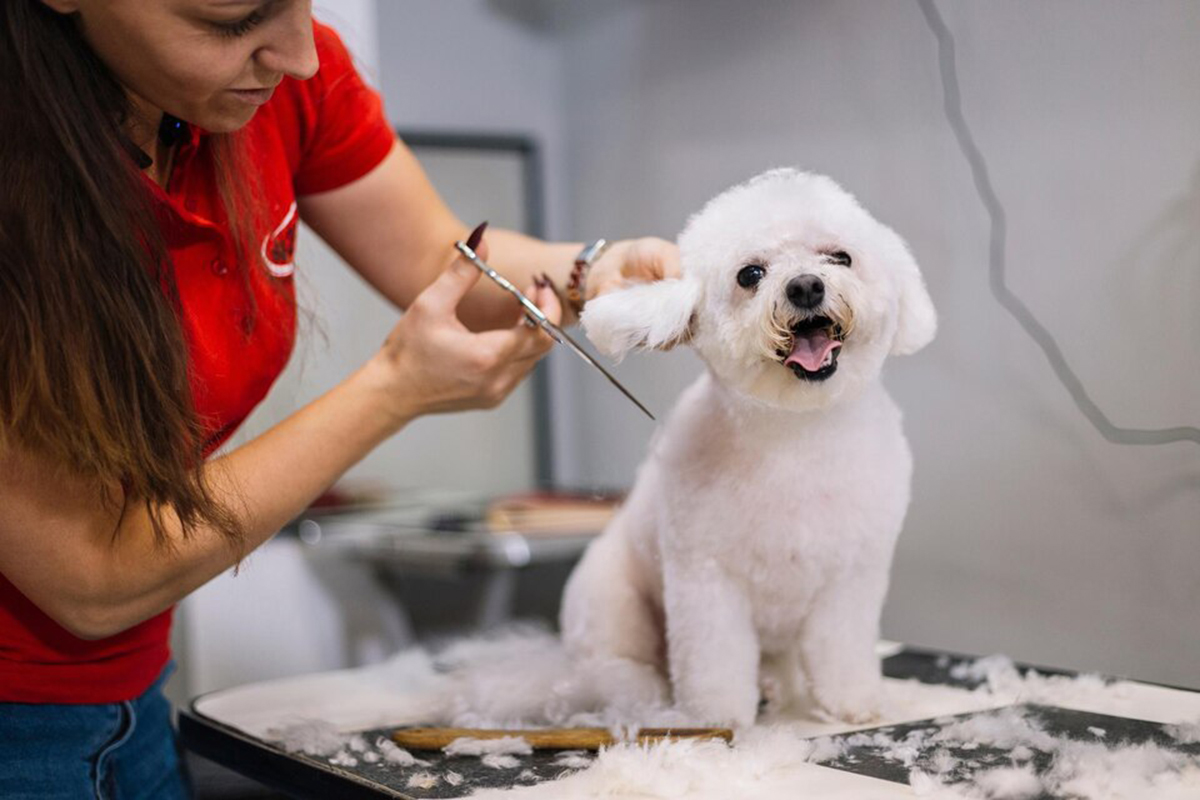
Grooming is an important part of caring for your small dog. Regular grooming keeps them clean, healthy and looking their best.
Brushing
Most small dog breeds have coats that require regular brushing to control tangles and mats. Long-haired breeds like Shih Tzus may require daily brushing, while short-haired breeds like French Bulldogs can be brushed once a week.
Bathing
Small dogs usually need a bath every 4-6 weeks. Use a mild dog shampoo and rinse thoroughly to avoid skin irritation. Be gentle and make bath time a positive experience with treats and praise.
Nail Trimming
It is important to keep your dog's nails trimmed. Long nails can cause discomfort and cause problems in walking. If you're unsure about trimming your dog's nails, ask your veterinarian or professional groomer for advice.
Ear Cleaning
Check and clean your dog's ears regularly to avoid infections. Use veterinarian-recommended ear cleaners and be careful to avoid damaging their ears.
Health and Wellness
Ensuring the health and well-being of your small dog includes regular vet visits, vaccinations and preventive care.
- Regular Vet Visits: To keep your small dog healthy, have regular checkups with your veterinarian. Annual visits are usually sufficient, but puppies may require more frequent visits to monitor vaccinations and growth.
- Vaccination: Keep your dog's vaccinations up to date to protect him from common diseases. Your veterinarian will provide a vaccination schedule based on your dog's age and health.
- Parasite Prevention: Protect your small dog from fleas, ticks and insects with regular preventive treatments. Your veterinarian can recommend the best products for your dog.
- Dental Care: Dental health is important for small dogs. Brush your dog’s teeth regularly with dog-specific toothpaste and provide dental chews to help keep their teeth clean.
.jpg)
Training and Behavior
Training is an important part of raising a well-behaved small dog. Consistent, positive reinforcement techniques work best.
- Basic Commands: Basic commands like sit, stay, come and down help your dog learn proper manners and keep them safe. Start training early and be patient.
- House Training: Housetraining a small dog can take time, but consistency is key. Use a designated spot for them to relieve themselves and reward them for doing it correctly.
- Crate Training: Crate training provides your dog with a safe space and helps with house training. Make the crate comfortable with soft bedding and toys and never use it as punishment.
Essential Accessories Small Dog Breeds
Having the right accessories can make caring for your small dog more enjoyable and easier.
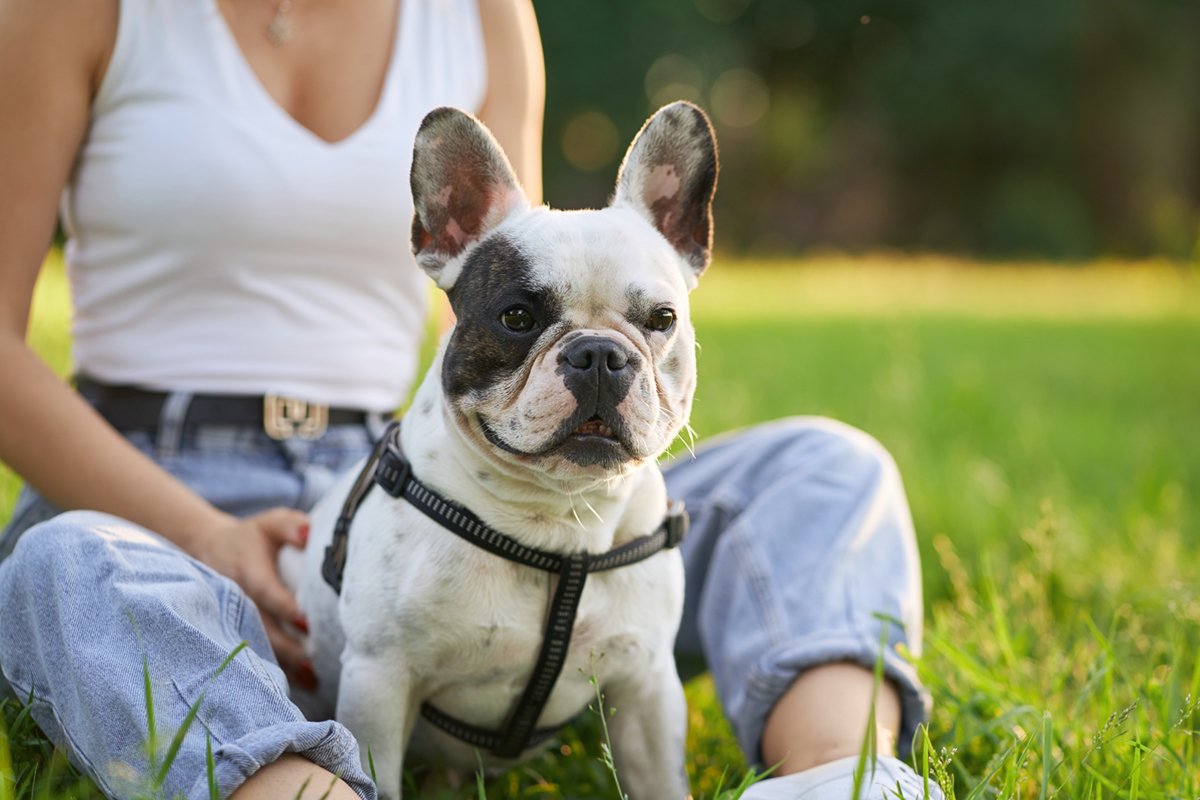
- Small Dog Harness: A small dog harness is necessary for walks and hikes. Unlike collars, harnesses distribute pressure more evenly and reduce the risk of injury.
- Dog Name Tags: Dog name tags are important for your dog's safety. Make sure it includes your contact information in case your dog gets lost.
- Puppies Neck Belt: A puppy neck belt, also called a collar, can be used to attach a dog's name tag and for identification. Make sure it is comfortable and not too tight.
Travel Tips
If you're prepared, taking your small dog on a trip can be an exciting adventure.
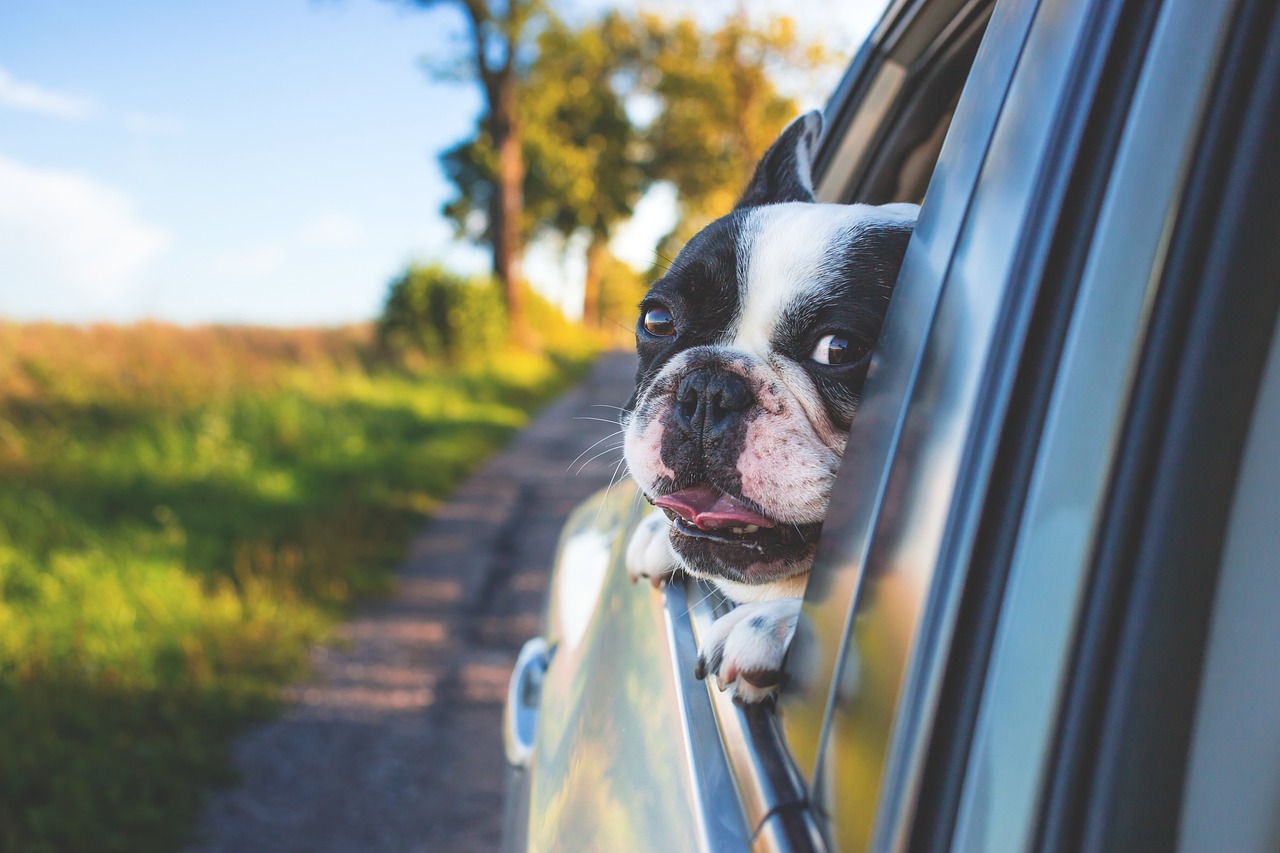
- Car Safety: To keep your small dog safe in the car, use a pet carrier or a dog seat belt made specifically for small dogs. Never let them go free while driving.
- Air Travel: If you're flying, check the airline's pet policy in advance. Most airlines require small dogs to travel in airline-approved carriers that fit under the seat
- Packing Essentials: Pack everything your dog will need during the trip, including food, water, bowls, toys, a small dog harness, and any medications.
Understanding Your Dog’s Needs
Since every small dog is different, by knowing what they need, you will be able to give them the best care possible.
- Recognizing Signs of Stress: Stress and anxiety may be more common in smaller dogs. Excessive barking, panting, trembling and hiding are signs of stress. If you notice these signs, try to identify and resolve the cause.
- Providing Comfort: During moments of stress, comfort items such as a beloved blanket or toy can help calm your small dog. It is important to create a calm and safe environment.
- Regular Check-Ins: Check your dog's general health and well-being on a regular basis. Pay attention to any changes in behavior, eating habits, or physical appearance. If you notice anything unusual, consult your veterinarian.
.jpg)
Building a Strong Bond
Building a strong bond with your small dog is one of the most rewarding experiences of pet ownership.
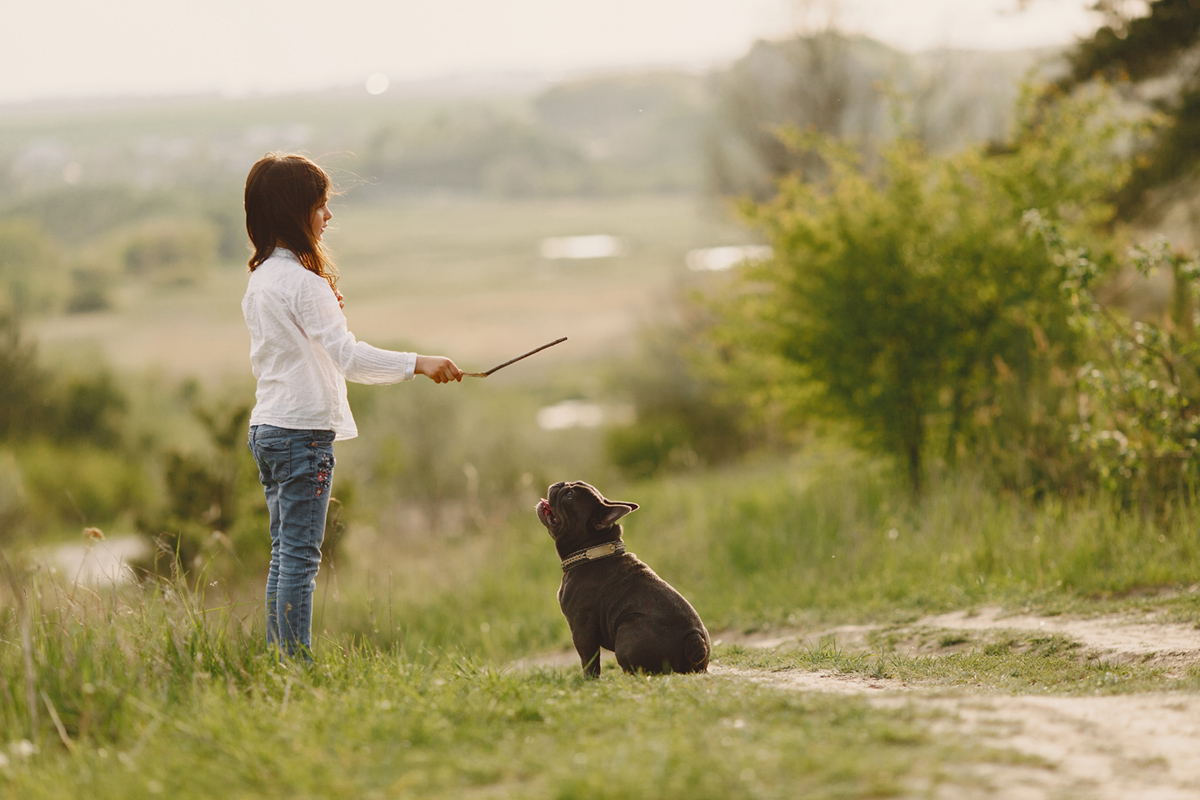
- Spend Quality Time: Every day, give your dog some quality time. At this time, whether you are playing, hugging or taking a walk, strengthen your relationship.
- Training Together: Training sessions are beneficial for relationships as well as behavior. Between you and your dog, positive reinforcement training promotes respect and trust.
- Be Caring: Treats, kind words and gentle care are good ways to show your dog that you care. Small puppies love to be made to feel special and loved.
.jpg)
Conclusion
Caring for your small breed dog involves a combination of love, attention, and proper care. By providing a safe home, proper nutrition, regular exercise and care, you will ensure that your little dog lives a happy and healthy life.
Remember, every dog is unique, so pay attention to their individual needs and adjust your care routine accordingly. Enjoy the wonderful journey of being a small dog owner!
If you have any questions or need more tips, feel free to leave a comment. Happy pet parenting!
FAQ (Frequently Asked Questions)
Q: Which small dog is best in India?
A. The best small dog breeds for India include Pug, Beagle, Dachshund and Shih Tzu. These breeds are suitable for the climate and living conditions of India. They are friendly, and adaptable and make excellent companions for families and individuals.
Q: How do I properly groom my small dog?
A: Regular brushing, bathing every 4-6 weeks, nail trimming, and ear cleaning are essential parts of grooming. The frequency of grooming depends on the breed and coat type.
Q. What Do Small Dogs Eat?
A. Here are some options for small-breed adult dog diets:
1. Green bean
2. Carrots
3. Apples
5. Cheese
6. Meat
Q: How do I socialize my small dog?
A: Introduce them to new people, places, and other animals slowly and positively. Puppy classes, dog parks and play dates are great ways to socialize them.
Q: What is the best way to train a small dog?
A: Use positive reinforcement techniques, be consistent and start training early. Basic commands like sit, stay, come and down are essential.
Q: How can I recognize signs of stress in my small dog?
A: Signs of stress include excessive barking, panting, trembling and hiding. Identify the cause and resolve it by providing comfort and creating a calm environment.