The Ultimate Guide to Pug Dogs: History, Traits, and Care Tips
Pug dogs are one of the most loved dog breeds around the world, known for their charming personality and cute looks. Whether you're considering adopting a Pug for your family or simply want to learn more about these lovely dogs, this guide covers everything you need to know, from Pug history and traits to essential care tips.
.jpg)
History of Pug Dogs
Pugs have been around for a long time—over 2,000 years! They originally came from China, where they were bred to be companions for royalty. Chinese emperors and their families loved these little dogs, and they were treated like a royal family.
In the 1500s, Pugs made their way to Europe. He soon became popular among the European elite. A famous story tells that a pug saved the life of Prince William of Orange by alerting him to an approaching enemy. After that, Pugs became a favourite in European countries, especially the Netherlands and England.

Traits of Pug Dogs
Pugs have many unique qualities that make them different. Here's what you need to know about his appearance and personality.
Physical Appearance
- Size: Pugs are small dogs that typically weigh 14 to 18 pounds. They are solid and compactly built.
- Face: Their wrinkled, flat face and short muzzle give Pugs their unique appearance.
- Eyes: Pugs' large, expressive eyes can show a variety of emotions, from playfulness to curiosity.
- Coat: The Pug's short, silky coat can be silver, apricot, black or fawn. They shed large amounts of water, especially during specific seasons.
.jpg)
Personality
- Friendly: Pugs are famous for their sociability and friendliness. They get along well with children and love to be among people.
- Playful: These dogs also have a playful side. They are energetic and love to play games and do other activities.
- Adorable: Pugs are very loving and like to be close to their owners. They generally stay close to their people like "Velcro".
- Stubborn but Smart: Pugs can be a little stubborn, but they are also intelligent and respond well to positive training methods.
Care Tips for Pug Dogs
Caring for a Pug involves some specific responsibilities. Here are some essential tips to ensure that your Pug remains happy and healthy.
Feeding Your Pug
- Diet: High-quality food that is suited for your Pug's age, size and activity level should be fed. Pugs can gain weight easily, so keep an eye on their weight.
- Portion Control: Because Pugs love to eat, it's important to practice portion control. Overeating can lead to weight gain, which can cause various health problems.

Exercise Needs
- Daily Exercise: Pugs need regular exercise to stay healthy. Daily walks and playtime are important. Using a puppies harness can be especially helpful when taking your Pug on walks. However, avoid over-exercising them, especially in hot weather, as they can easily overheat.
- Indoor Play: Pugs also enjoy playing indoors. These intelligent dogs benefit greatly from toys that keep them engaged and mentally active.
Tips for Grooming
- Brushing: Pugs shed a lot of hair, so it's important to brush them regularly to keep their coat healthy and reduce shedding around the house.
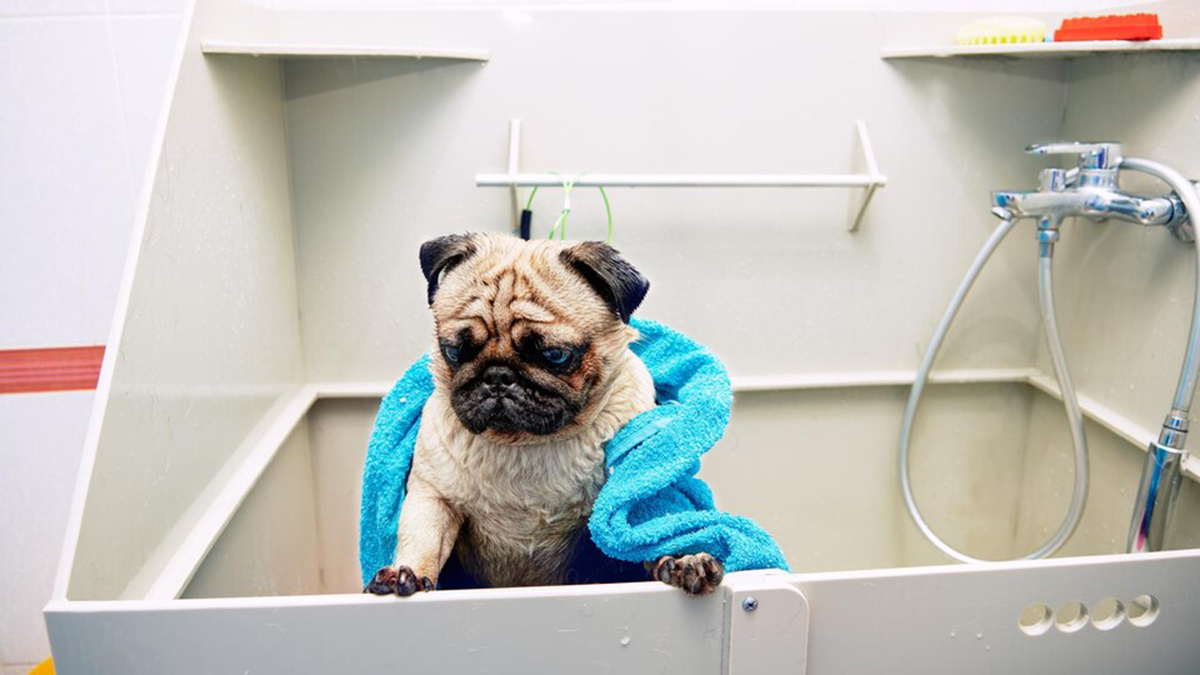
- Bathing: To keep your Pug's skin and coat clean, bathe them regularly with a mild dog shampoo.
- Wrinkle Care: Clean the wrinkles on your Pug's face, to avoid infection and maintain the health of their skin.
Health and Vet Visits
- Regular checkups: Take your pug to the veterinarian regularly. Some health concerns, such as hip dysplasia, eye disorders and breathing difficulties, are more common in Pugs. Getting regular checkups can help identify problems early.
- Vaccinations and Prevention: Make sure your Pug is up to date on vaccinations and prevention for fleas, ticks and heartworms.
- Weight Control: It is important for your Pug to maintain a healthy weight. Many of their health problems may increase due to weight.
Essential Accessories for Pug Dogs
- Puppies Harness: Use a puppies harness instead of a collar for your pug, especially when they are puppies. The harness distributes pressure more evenly and reduces the risk of injury to their delicate neck.
- Comfortable Bed: Pugs love to nap, so provide a cozy bed for them to rest in.
- Dog Name Tag: If your Pug gets lost, always make sure it has a dog name tag with your contact information on it.
- Interactive Toys: Toys that challenge their minds and entertain them are great for Pugs.
- Dental Chews: Dental health is important for Pugs. Chewing can help keep their teeth clean and healthy.
- Food and Water Bowls: Use sturdy, non-slip bowls for food and water. Raised bowls can be more comfortable for pugs with breathing issues.
- Raincoat or Jackets: Pugs can be extremely sensitive to the weather. A raincoat or jacket can keep them comfortable when walking in cold or wet conditions.
Interesting Facts About Pugs
- Royal Pets: Pugs were the favourite pets of many royals, including Chinese emperors and Queen Victoria.
- Famous Pugs: Pugs have appeared in movies and TV shows, such as Frank the Pug in "Men in Black" and social media star Doug the Pug.
- Ancient Guardians: In ancient China, Pugs were believed to bring good luck and were often used as guard dogs in Buddhist monasteries.
.jpg)
Conclusion
Pug dogs are delightful companions with a rich history and unique qualities. Their friendly nature, playful attitude, and loving behaviour make them wonderful pets for people of all ages. By understanding their needs and providing proper care, you can ensure that your Pug lives a happy and healthy life.
Whether you are a first-time Pug owner or a Pug lover, this guide provides valuable information about the care and well-being of these charming dogs. With the right care and attention, your Pug will be a loyal and loving companion for years to come. So, if you are considering adopting a Pug for your family, get ready for a lifetime of love, laughter, and happiness with your new furry friend.
FAQ (Frequently Asked Questions)
Q. Are pugs good family pets?
Ans. Yes, Pugs are friendly and lovable, and get along well with children, making them excellent family pets.
Q. What kind of exercise do pugs need?
Ans. Pugs need daily exercise, such as short walks and playtime, but avoid over-exercising them, especially in hot weather.
Q. Is a Pug a friendly dog?
Ans. Yes, pugs are very friendly and sociable. They love being around people and get along well with children and other pets.
Q. Are Pugs strong dogs?
Ans. Pugs are not particularly strong; They are small and strong dogs with a compact build. They are known more for their affectionate nature than their physical strength.
Q. What are good traits about Pugs?
Ans. Pugs are known for their loving, playful and friendly nature. They are also intelligent, which makes them amenable to training and great companions.
Q. What is the history of the pug dog?
Ans. Pugs originated in China over 2,000 years ago and were bred as companions for Chinese royalty. They later became popular in Europe among the nobility.