The Ultimate Guide to Rottweiler Dogs: History, Traits, and Care Tips
The Rottweiler is a breed known for their strength, loyalty, and versatility. From their historical roots as herding dogs to their modern roles in police work and as family companions, Rottweilers have a rich and fascinating history.
This comprehensive guide explores the history, characteristics, and care tips of the Rottweiler, providing valuable information for potential and current owners. We'll also discuss essential accessories like big dog harnesses and collar and leash for dogs.

History of Rottweilers
The history of the Rottweiler dates back to the Roman Empire when they worked as herding dogs. These dogs were essential for both herding cattle and keeping them safe from harm.
In Germany, the Rottweiler gave rise to the name of the breed, which was once known as "Rottweiler Metzgerhund" or "Rottweiler butcher's dog". Their work of pulling meat carts and safeguarding butchers' goods is reflected in their name.
The Rottweiler has served many roles throughout the years, such as search and rescue, police, and guard dog. They are particularly useful in these roles due to their strength, intelligence, and protective nature. Nowadays they are loved as loyal family pets as well as working dogs.
Physical Traits of Rottweilers
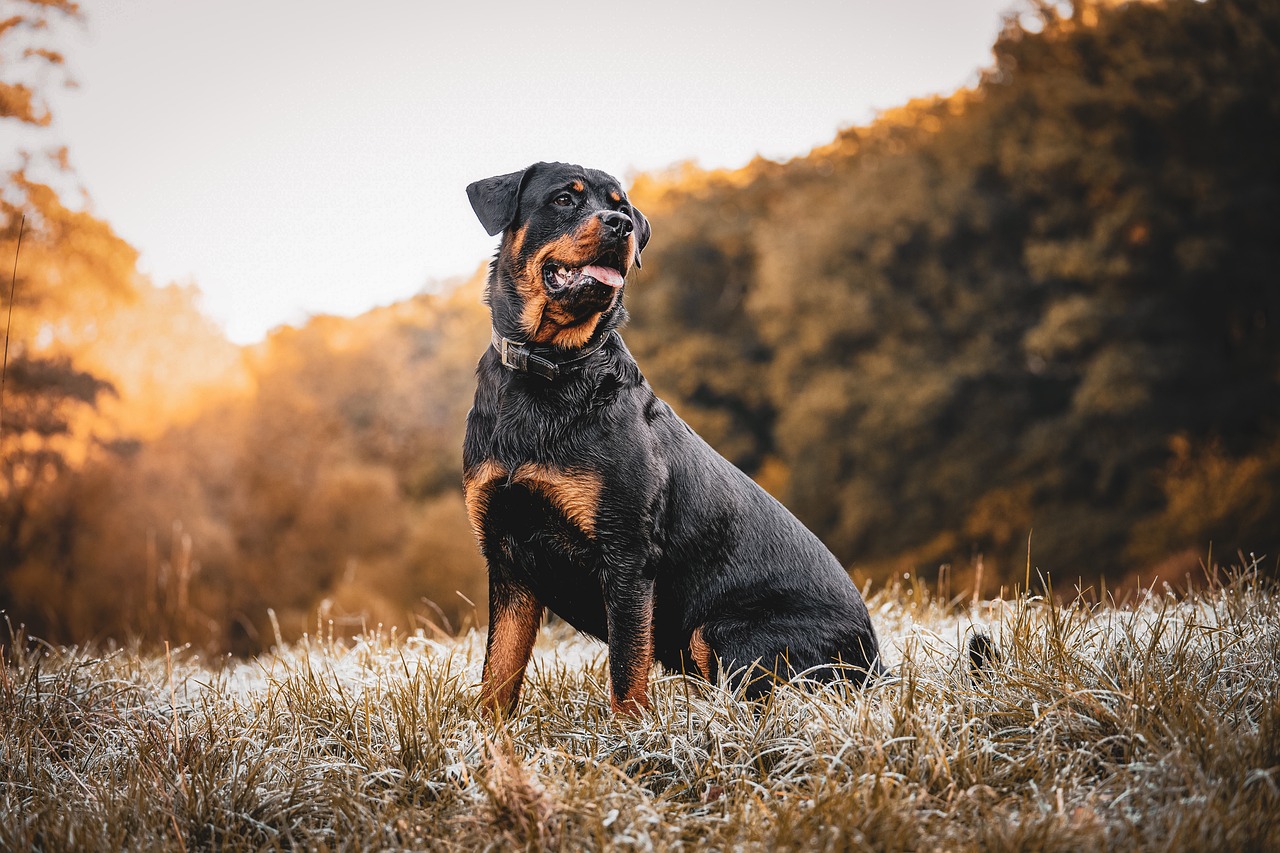
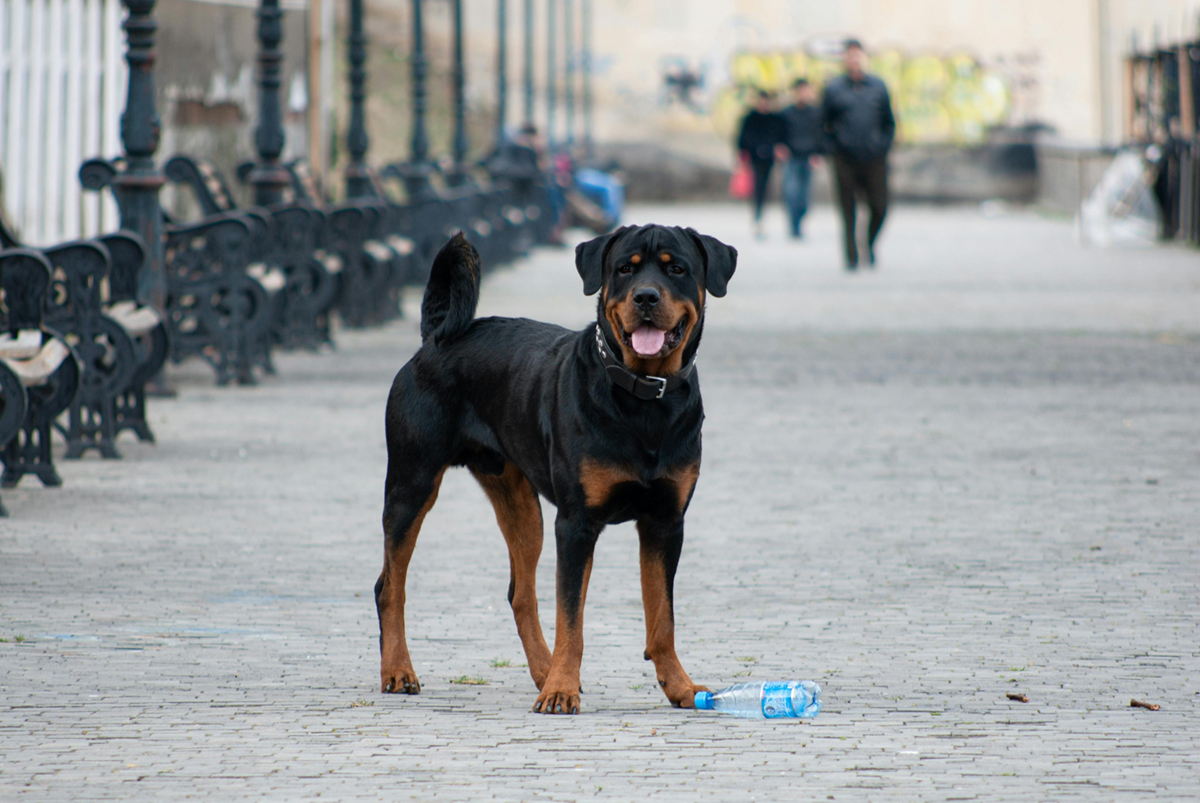
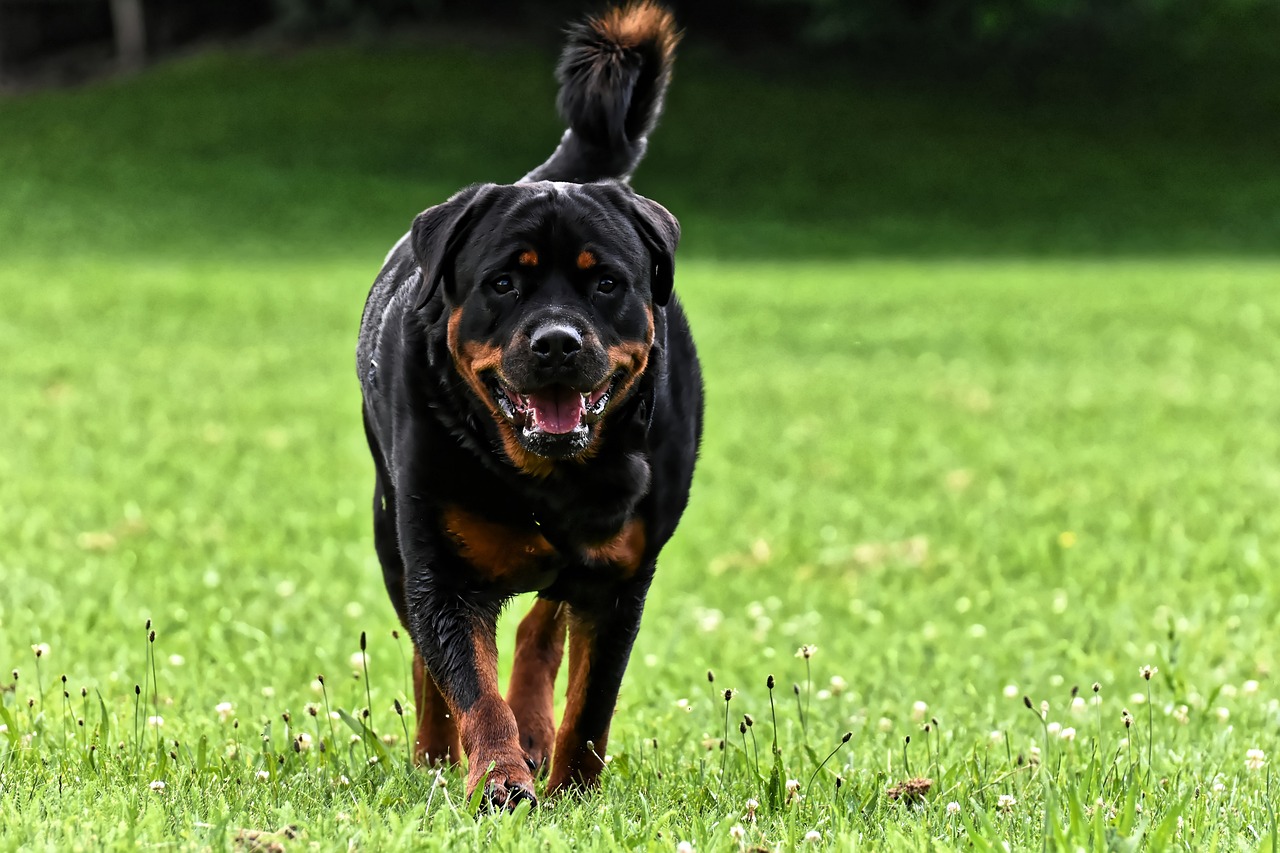
The Rottweiler is a strong, muscular breed that weighs an average of 80 to 135 pounds. In general, male dogs are larger and stronger than females. They have an attractive and recognizable appearance due to their unique black coat with rust-coloured patterns on their legs, chest and face.
The Rottweiler's large head and strong jaw are one of his most notable physical features. They make great guard dogs because of their physical abilities and alert protective nature. These qualities also demand socialization and training to ensure they are friendly and well-behaved.
Generally, Rottweilers live for 8 to 10 years, but with the right care, they can live longer. A balanced diet, regular exercise and regular veterinary checkups are important for their health and lifespan.
Personality and Temperament
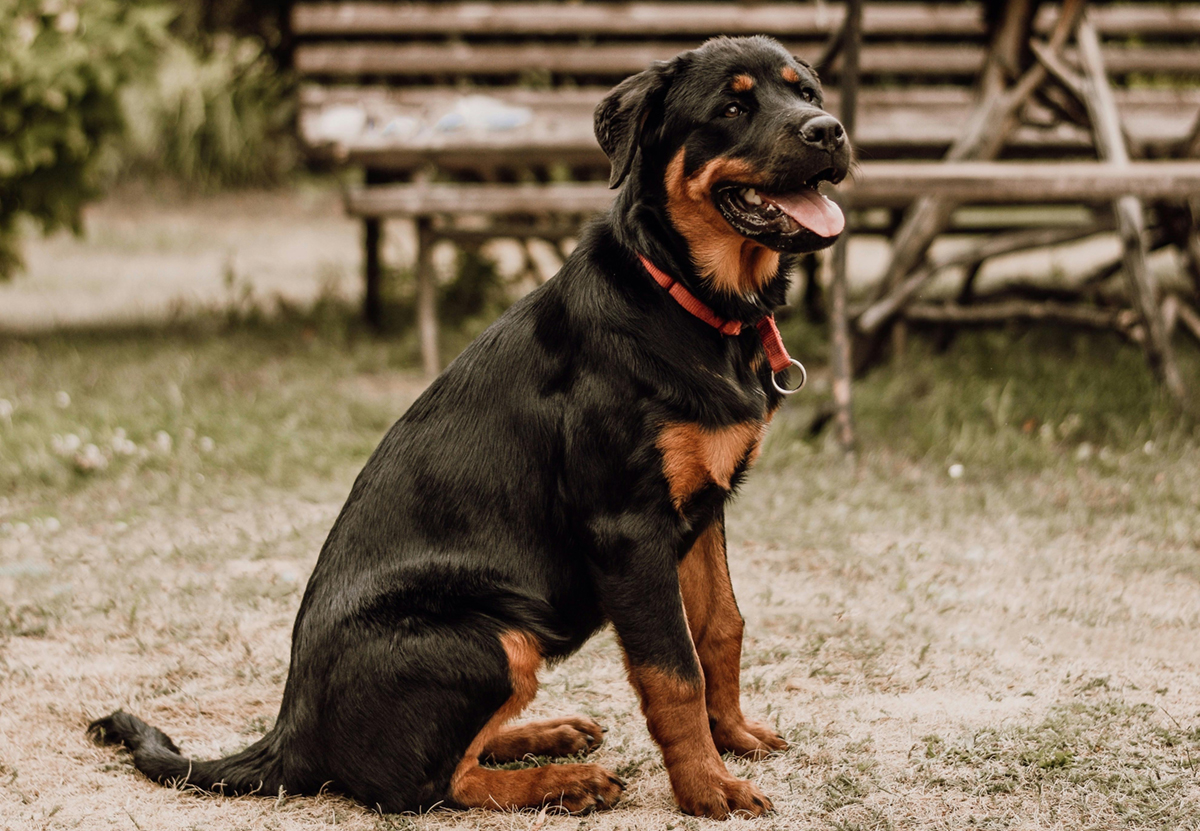
Rottweilers are known for their brave and confident nature. They make ideal guard dogs because they are naturally loyal and protective. However, they also develop close bonds with their families and are extremely caring. Rottweilers can be kind and friendly, especially when raised with children and given the proper training and socialization.
Due to their sometimes strong personality and stubborn nature, the Rottweiler requires consistent, regular training. Treats and praise are two effective forms of positive reinforcement for positive behaviour. Early socialization helps ensure that they feel comfortable with different kinds of people and animals due to their protective nature.
Training and Exercise Needs
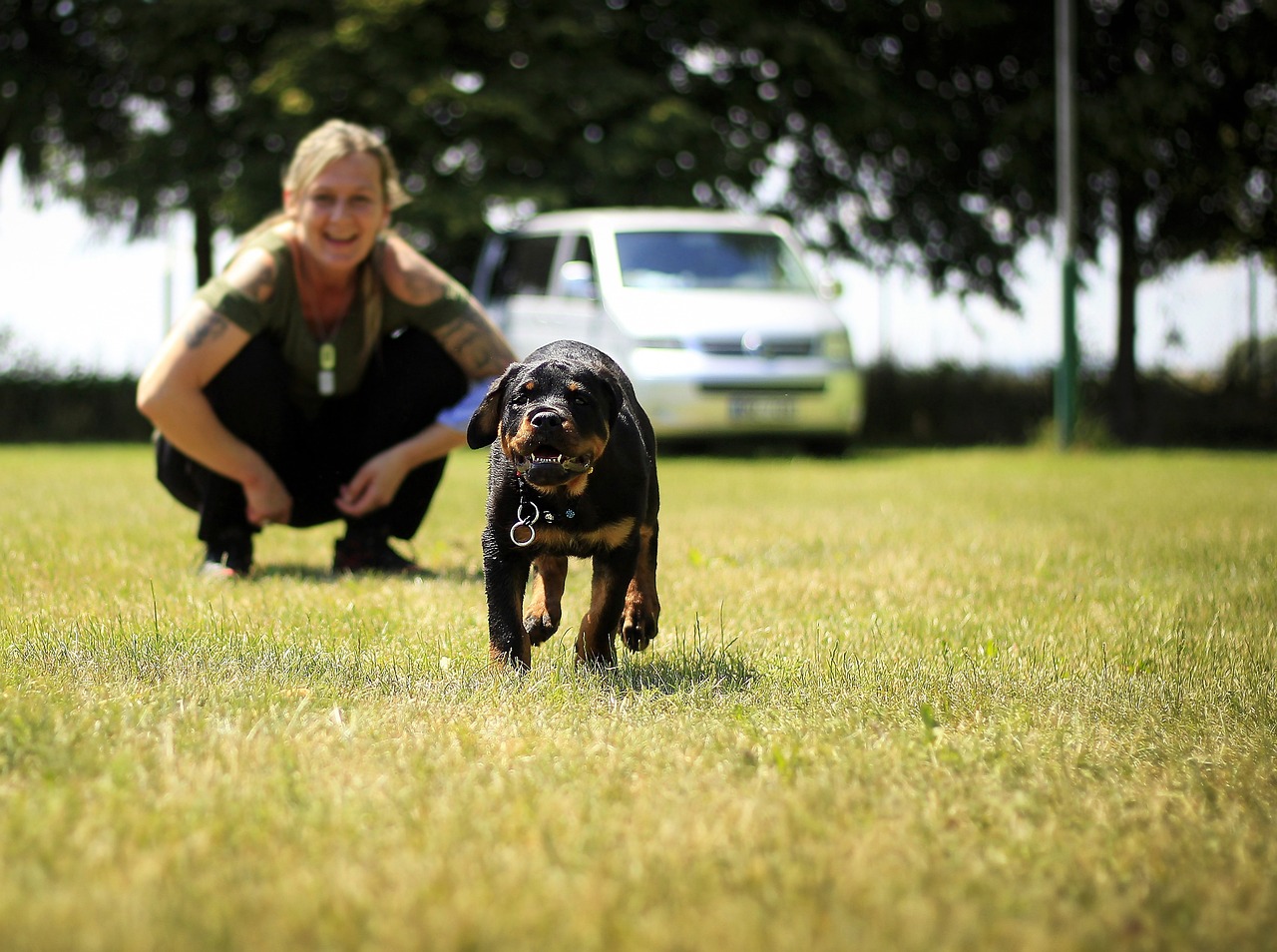
Training is important for Rottweilers, not only to teach them basic commands but also to ensure they are well-mannered and socially adept. Here are some key points for training a Rottweiler:
- Start early: Start training and socialization as soon as possible. Puppies are especially receptive to learning.
- Use positive reinforcement: Reward your Rottweiler with treats, praise, and love for good behaviour. This encourages them to repeat positive actions.
- Maintain consistency: Follow the same guidelines and instructions. Maintaining consistency reduces confusion and helps your dog understand expectations.
- Regular socialization: Expose your Rottweiler to different environments, people, and other animals to develop his social skills and reduce fear or aggression.
- Consider professional training: Obedience classes can be helpful, especially for first-time Rottweiler owners. Professional trainers can provide guidance and help establish effective communication with your dog.
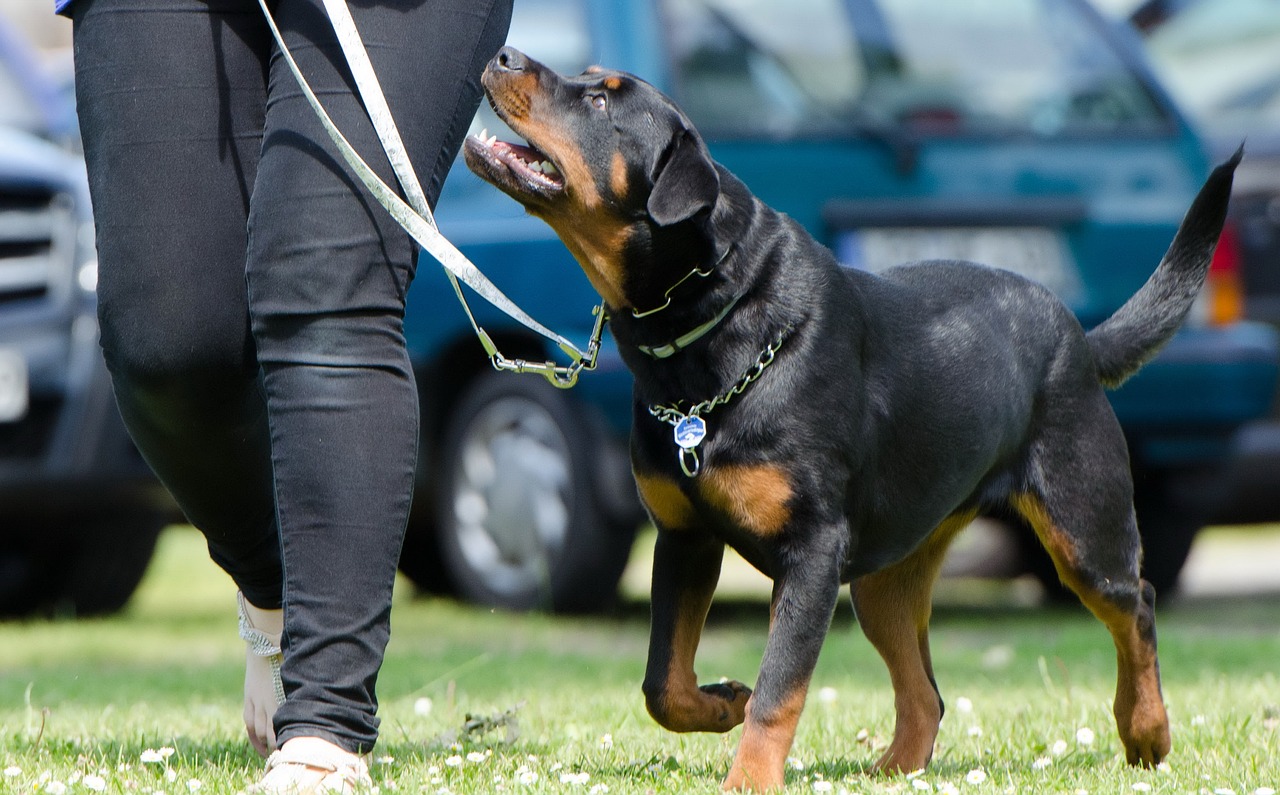
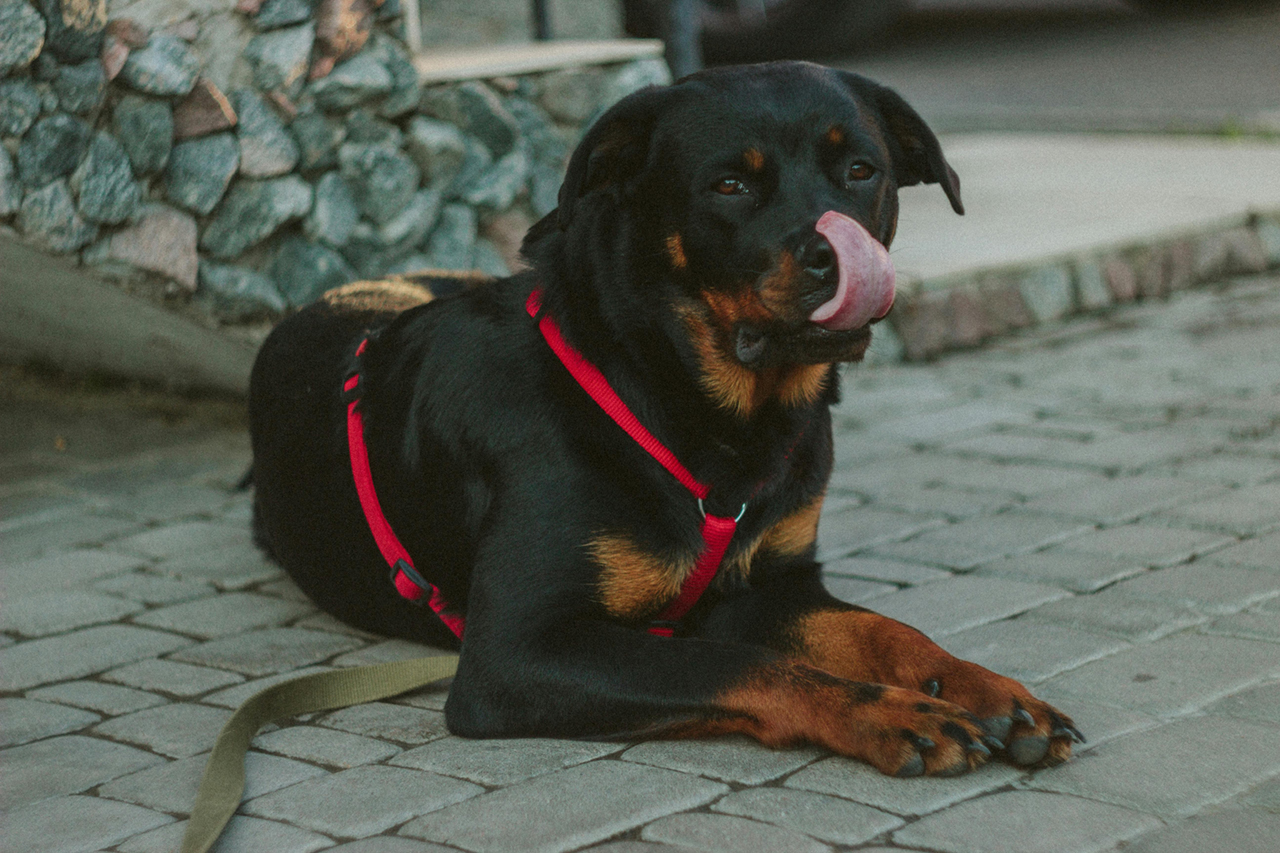
Rottweilers are active dogs, they need regular exercise to stay happy and healthy. Playtime, mental stimulation, and daily walks are all important. Rottweilers can enjoy activities such as swimming, agility training, and fetch. For walks, it is best to use a big dog harness as it provides more comfort and control.
A properly fitted harness reduces pressure on the chest in a way that does not put pressure on the dog's neck and makes the handling experience more comfortable for both.
Health and Nutrition
The Rottweiler requires specific medical care just like any other breed. They are more likely to have hip and elbow dysplasia as well as heart problems. To keep an eye on their health and identify any potential problems early, regular veterinary check-ups are important.
A balanced diet is important for a Rottweiler to stay healthy. A premium dog food that meets all of their nutritional needs is recommended. Given the risk of weight gain, owners should control their Rottweiler's food intake and ensure they get regular exercise.
Always provide fresh water and avoid feeding your Rottweiler human foods that are toxic to dogs, such as chocolate, grapes and onions.
Grooming and Care
Maintaining the Rottweiler's short, thick coat is relatively simple. However, regular grooming is still necessary to maintain the health of their coat and reduce hair loss. These are some grooming tips:
- Brushing: Brush your Rottweiler's coat weekly to remove loose hairs and keep their skin healthy
- Bathing: Bathe your Rottweiler regularly every few months or as he gets dirty. Use shampoo made specifically for dogs to avoid skin irritation.
- Nail trimming: Regular nail trimming will keep your dog's nails from becoming too long and uncomfortable.
- Ear cleaning: Check your Rottweiler's ears regularly for signs of dirt or infection. Clean their ears with a damp cloth or dog-specific ear cleaner.
- Dental care: To avoid dental problems, get your dog's teeth cleaned regularly with toothpaste made specifically for dogs.
Essential Accessories for Rottweilers
Choosing the right accessories for your Rottweiler is important for their safety and comfort. Here are some essential items you should consider:
- Collar and leash for dogs: Choose a sturdy collar with an ID tag and a strong leash, ideally 4-6 feet long, to ensure control and safety during walks.
- Harness: For the Rottweiler, a big dog harness is a great choice. Provides better control and less chance of neck injuries, especially for powerful dogs like the Rottweiler.
- Bed: A comfortable place for your Rottweiler to rest is a comfortable bed. Choose a bed that provides good support and is large enough to fit their size.
- Toys: Toys are essential for keeping your Rottweiler entertained and mentally stimulated. Look for durable toys that can withstand their strong jaws. Puzzle toys and chew toys are excellent options.
Final Thoughts
Rottweilers are loyal, intelligent, and versatile dogs that make excellent companions and working dogs. They develop in an environment where they get proper training, socialization and care. Whether you are considering adopting a Rottweiler or already have one, understanding their specific needs and characteristics is key to ensuring a happy and fulfilling relationship.
Invest in quality accessories, such as a big dog harness and a sturdy collar and leash for dogs, to ensure safe and enjoyable walks. With the right care and attention, your Rottweiler will be a devoted and cherished member of your family for years to come.