The Ultimate Guide to Siberian Husky Dogs: History, Traits, and Care Tips
The Siberian Husky is one of the most popular and loved dog breeds. Known for their great looks and friendly behaviour, these dogs have an interesting history and special qualities that make them unique.
You should understand the history, characteristics, and care advice of Siberian Huskies regardless of your pet parent's experience. The article is intended to be informative for adults and children so that everyone can enjoy these wonderful dogs. Let's dive into the world of Siberian huskies!
The Interesting History of Siberian Huskies
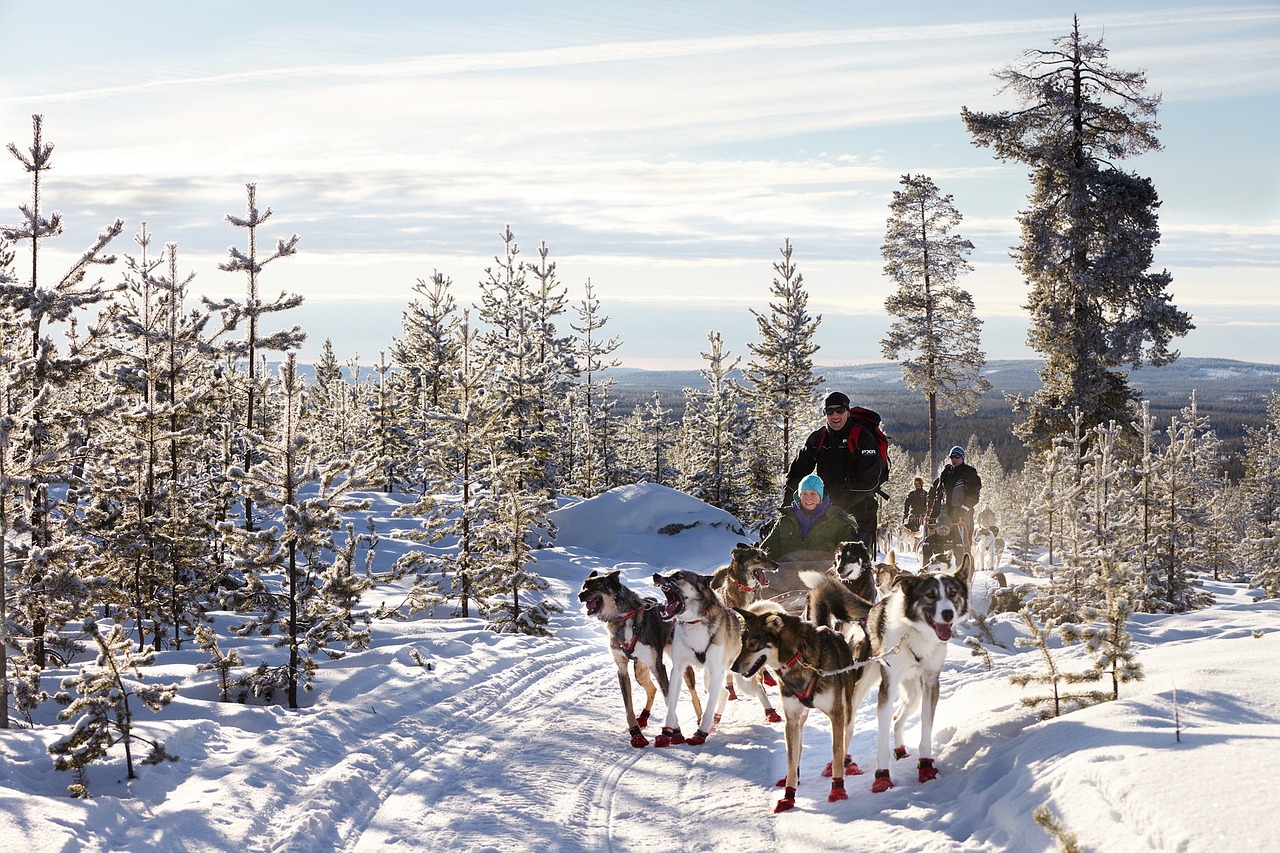
Siberian Huskies originate from Siberia, a long area of Russia known for its harsh and cold climate. The Chukchi people, an indigenous tribe of Siberia, have bred these dogs for thousands of years. They were specifically bred to pull sledges over long distances, carry light loads, and survive in extreme cold.
Huskies came to Alaska during the gold rush of the early 20th century. They soon gained popularity as sledgedogs, especially in racing. One of the most popular stories is that of the serum run to Nome in 1925. A group of Siberian Huskies, led by the dog Balto, supply life-saving medicine to the community during a diphtheria outbreak. The bravery of this incident proved the bravery and strength of the Husky.
What Makes Siberian Huskies Special?
Siberian Huskies are medium-sized dogs with a unique and beautiful appearance. Let's look at some of the key features that make them stand out.
Appearance
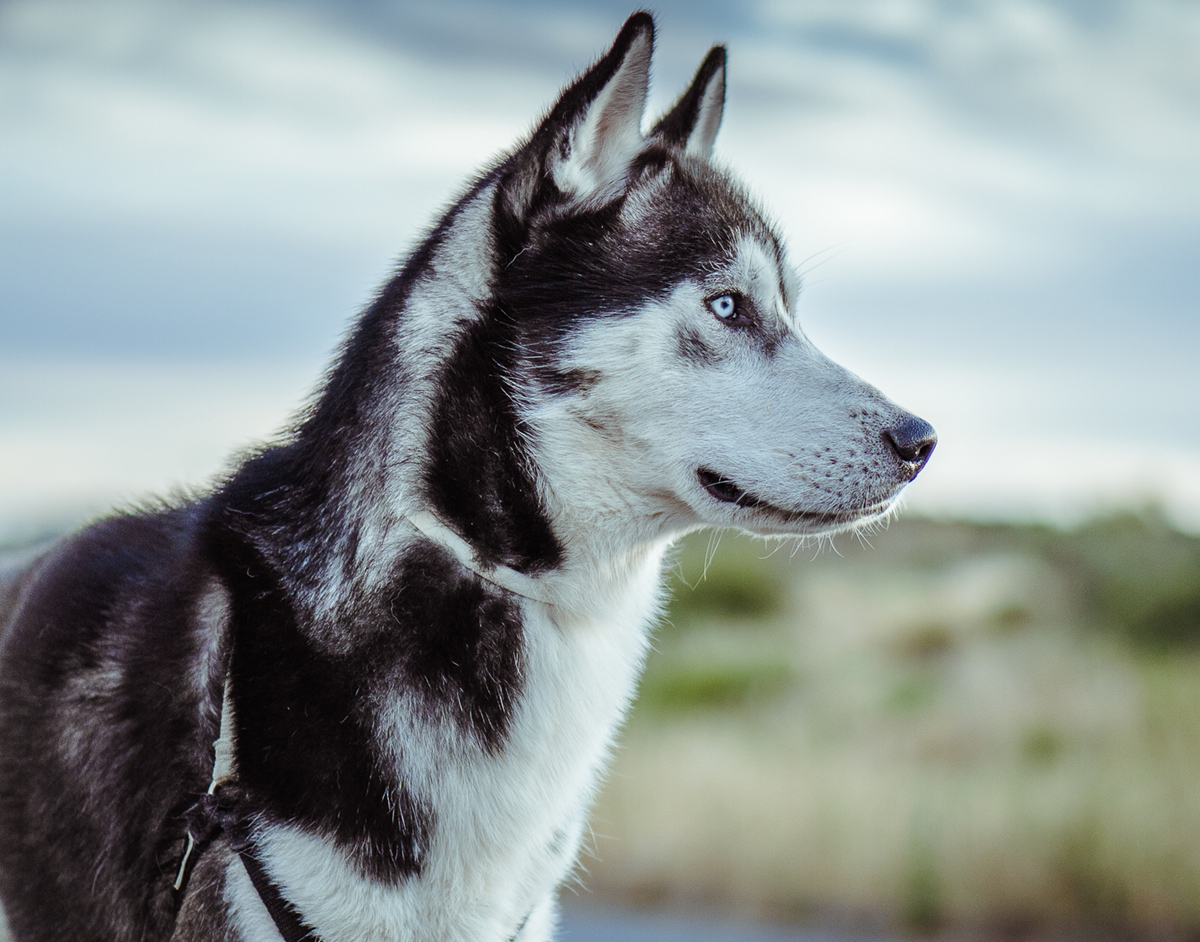
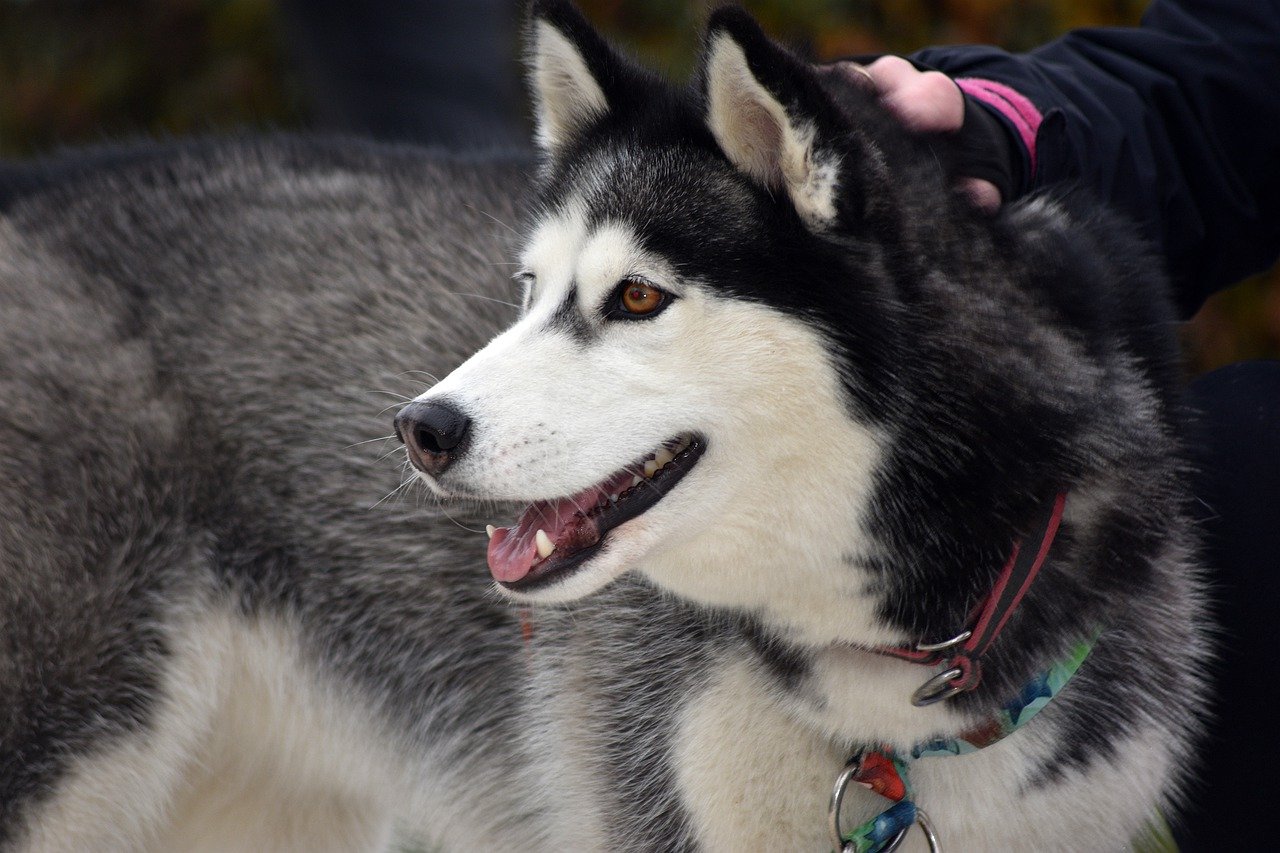
- Eye Color: Huskies are known for their stunning eyes, which can be blue, brown, or even one of each! This is called heterochromia.
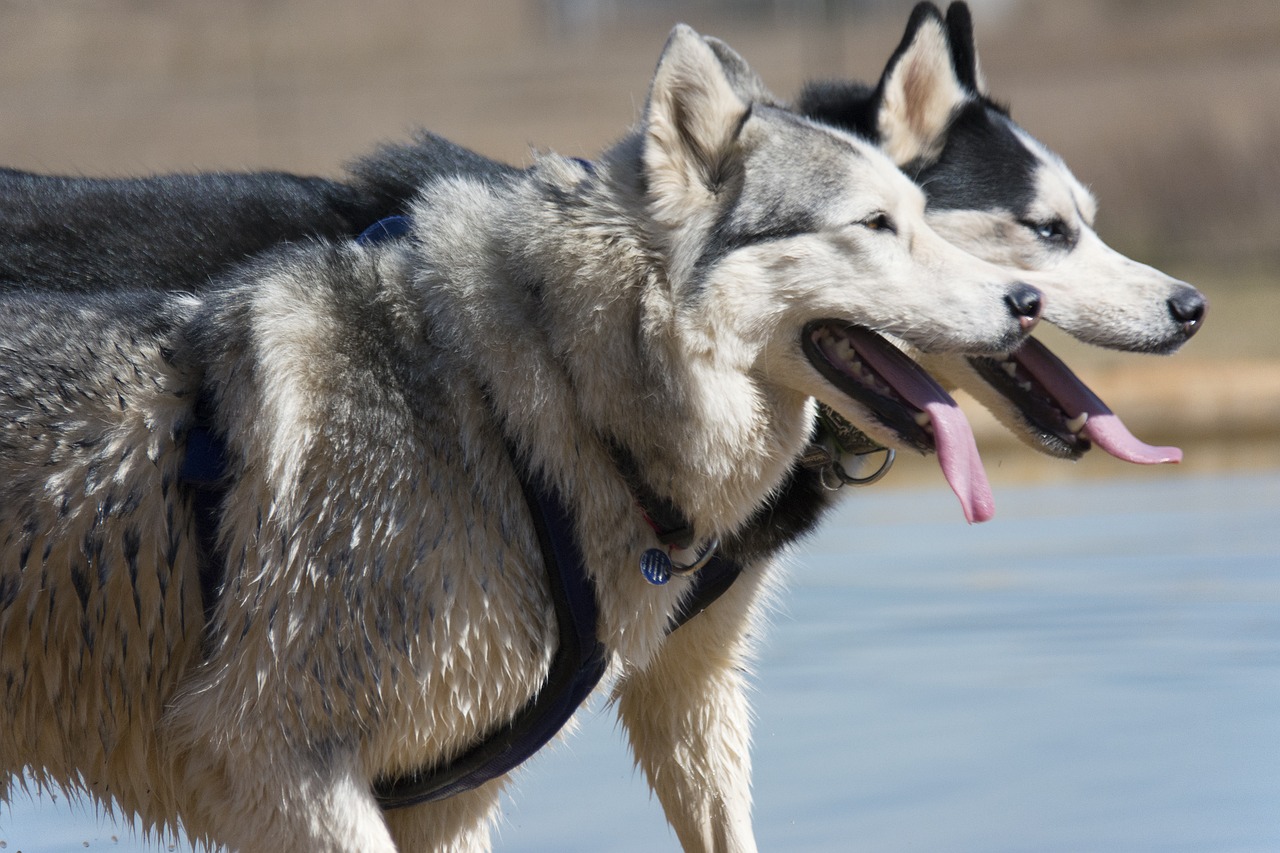
- Coat: They have a thick double coat that keeps them warm in cold weather. The coat comes in many colors, like black, white, grey, and red.
- Ears and Tail: Their ears are pointy and stand up straight, while their bushy tails often curl over their back, especially when they're excited.
Temperament
- Social and Playful: Siberian Huskies are friendly and enjoy being around people and other dogs. They're very playful and love to have fun.
- Smart but Independent: Huskies are intelligent and can learn quickly. However, they can also be a bit stubborn, which can make training a challenge.
- Full of Energy: These dogs are full of energy and need a lot of exercise to stay happy and healthy.
- Howling: Unlike most dogs that bark, Huskies are known for howling. This trait comes from their history as sledge dogs, where howling was used to communicate over long distances.
Common Health Issues
While Siberian Huskies are generally healthy, they can be sensitive to some health issues:
- Hip Dysplasia: This is a condition where the hip joint doesn't develop properly, leading to discomfort and arthritis.
- Eye Problems: Huskies can sometimes have eye issues like cataracts or progressive retinal atrophy, which can affect their vision.
- Skin Conditions: Their thick coat can sometimes cause skin problems if not properly cared for.
How to Care for Your Siberian Husky
Taking care of a Siberian Husky involves understanding their specific needs. Here are some tips to help you keep your Husky happy and healthy.
Diet and Nutrition
Siberian huskies have a unique metabolism. They often eat less than other dogs their size. It is important to feed them high-quality dog food with a good balance of proteins, fats and carbohydrates. Always consult your veterinarian to determine the best diet plan for your Husky.
Exercise and Playtime
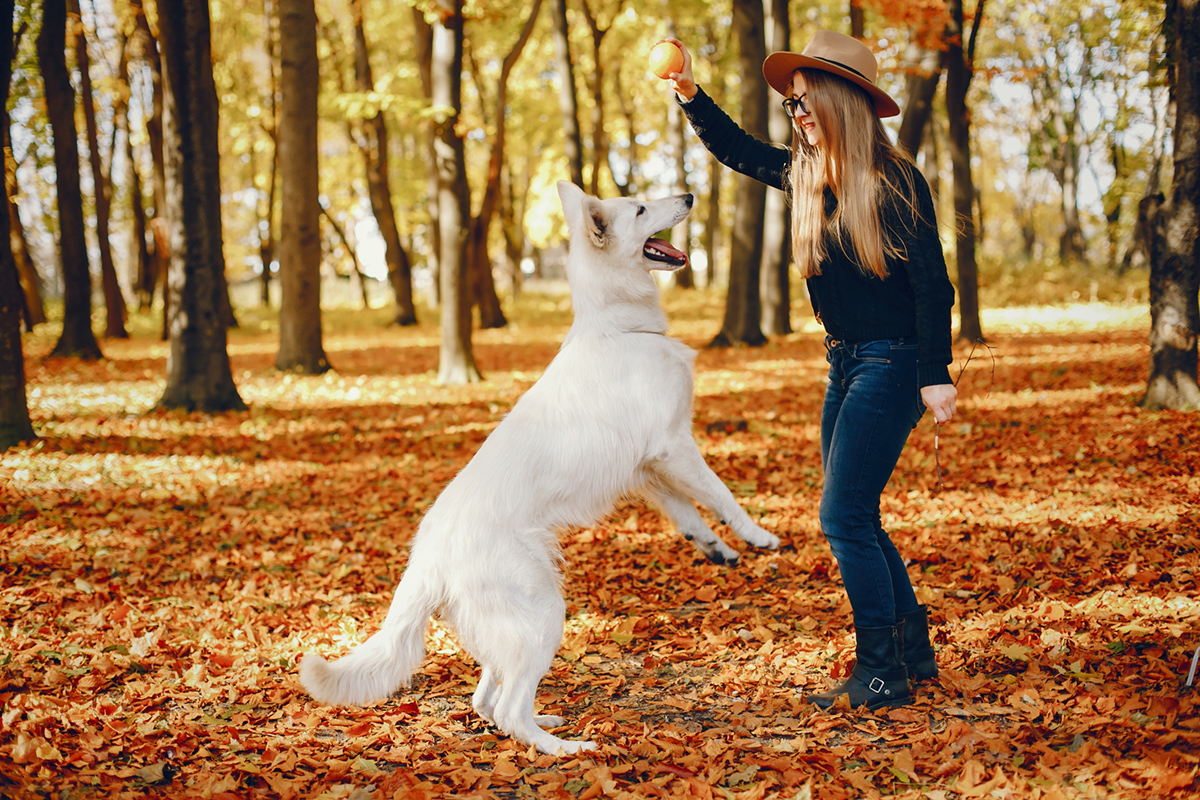
Siberian Huskies are high-energy dogs that require a lot of exercise. Daily walks, runs, and playtime are essential. Without enough exercise, they can become bored and might start to chew on things or dig holes.
You can also involve them in interactive toys or games like fetch. If you enjoy outdoor activities, Huskies love hiking! Keeping them busy will help them stay fit and happy.
Grooming Needs
Siberian Huskies shed a large amount of hair due to their thick coat, especially during the shedding season. Brushing them regularly – at least a few times a week – will help maintain the health of their coat and reduce hair loss at home.
They are naturally clean dogs, so they do not require regular bathing. To avoid irritating the dog's skin, use shampoo when bathing them.
Training and Socialization
Training a Siberian Husky requires patience and consistency. They're smart but can be a bit stubborn. Use positive reinforcement, like treats and praise, to encourage good behaviour. Start with basic commands like sit, stay, and come, and gradually move on to more advanced training.
Socialization is also very important. If your Husky is exposed to a variety of people, animals and environments he will grow into a well-behaved and friendly adult.
Safety Tips
Because of their strong hunting and tracking instincts, it is important to keep your Husky safe. Here are some safety tips:
- Secure Fencing: Make sure the fence in your yard is both high and secure. Dogs are excellent at jumping and digging!
- Leash Training: Always use a leash when walking your husky. By doing this they are saved from running away or getting into danger.
- Identification: Make sure your Husky has proper identification, such as a dog belt with name and contact information, or a neck collar for dogs with a tag.
Choosing the Right Accessories for Your Husky
Choosing the right accessories for your Siberian Husky can make a big difference in their comfort and safety.
Dog Belt with Name
A dog belt with name and your contact information on it is a great accessory to ensure that they can be returned to you if they get lost. These belts are available in a variety of designs and materials, so you can choose the belt that suits your style and your dog's needs.

Neck Collars for Dogs
Neck collars are important for holding ID tags and attaching a leash. When choosing a collar, make sure it is comfortable and adjustable. It should fit snugly but not too tight, allowing you to fit two fingers between the collar and your dog's neck.
Fun Facts About Siberian Huskies
- Husky Vocalization: Siberian Huskies are known for their unique vocalisations, often described as "talking." They can make a variety of sounds, from howling and barking to talking or singing sounds.
- Ice Blue Eyes: While many Huskies have blue eyes, it's not uncommon to see Huskies with brown eyes, one blue and one brown eye, or even parti-coloured eyes (eyes that are two different colours).
- Cold Weather Lovers: Siberian Huskies love cold weather and can often be found playing in the snow or lying on cold surfaces.
- Escape Artists: Huskies are known for their cleverness and can often find ways to escape from fenced yards or enclosures. Always keep an eye on them!
Conclusion: Enjoying Life with Your Siberian Husky
Wonderful dogs with colourful personalities and rich histories are the Siberian Huskies. They are wonderful companions for active families because they are friendly, intelligent, and active. To keep them happy and healthy, they require a lot of exercise, grooming and training.
You can live a long and happy life with your Husky by training them, giving them proper care and choosing the best neck collars for dogs and dog belt with name. Keep in mind that a happy husky gets lots of love, exercise, and care.