Top 10 Pet Safety Tips for Kids
Children learn responsibility and receive emotional support from their pets, which makes them wonderful pets. To avoid mistakes and make sure the child and pet have a good time, it is important to teach kids how to safely engage with animals. Safety must always come first, no matter whether you own a dog, cat, or any other kind of animal.
Additionally, we will discuss the importance of important pet safety gear in this article, such as customized dog harnesses, and how they may help you keep your dogs safe.
Teach Children to Handle Pets with Care
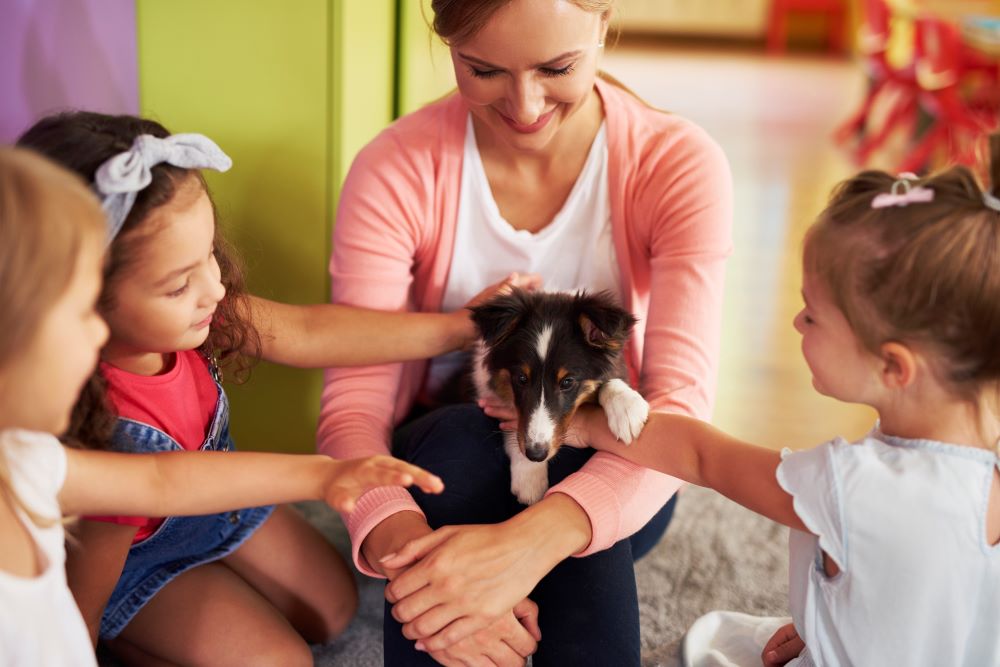
The first pet safety rule is to establish in children the habit of touching dogs carefully and respectfully. Pets can become scared by sudden movements or loud noises, which could make them secure.
Before trying to pet a pet, ask your kid to let it smell their hand.
Children should be taught to approach pets from the front rather than the back to prevent startling them.
Manage Every Interaction
Always keep an eye on the interactions between kids and dogs, particularly if the kids are small. Feeling scared or stressed can cause even the most gentle animals to behave randomly. In order to avoid accidental injury to the kids or the pet, care is important.
When your child is playing with the pet, stay near them.
Set limits on your child's behavior with the pet.
Teach on Proper Petting Methods
Not every pet finds it enjoyable to be touched. Children should learn how and where to pet animals. For example, most dogs prefer to have their backs, shoulders, and chests touched, but they might not appreciate having their paws or tails touched.
Unless you are certain that the pet is okay with it, stay away from sensitive parts like the face, ears, and tail.
Never Disturb Pets While Eating or Sleeping

Just like people, pets require their own space, particularly when they are eating or sleeping. To avoid any defensive reaction, teach your child to let the pet alone, whether it is eating or sleeping.
Proper Use of Pet Materials: Value of a Dog Collar
Having proper equipment is necessary for walking safety. When kids are walking your dog, a dog harness is an excellent tool to make sure they're safe. Children find it easier to handle pets on walks when they have better control over the dog thanks to harnesses.
Advantages of Customized Dog Collars

One of the many benefits of customized dog collars is that they fit your dog exactly, no matter their size, which ensures comfort and reduces stress. Additionally, they enable customization, such as the addition of your dog's name and contact information for easy identification in the event that they become lost. These collars offer both usefulness and style, and they may be made to match your dog's personality and demands in a variety of designs, colors, and materials.
provides a perfect fit for the breed and size of the dog.
provides for a more comfortable walking experience by reducing tension on the dog's neck.
gives you more control and reduces the risk of your dog pulling or running away.
Educate Kids About Pet Body Language
Children should be educated on how to understand basic pet body language so they can recognize signs of fear, stress, or violence in their pets. As an example, a dog that has its tail hidden between its legs could be nervous.
A dog or cat that has its back twisted or its ears flattened is probably afraid or preparing for harm itself.
If your pet shows symptoms of discomfort, teach your child to respect its boundaries.
Avoid Rough Play
During violent play, pets—especially dogs—may become too positive, which could result in accidental bites or injuries. Promote games with toys over physical contact with animals and teach kids not to play rough with them.
Playing games like fetch or giving cats a laser pointer are more secure options.
Toy pulling should be avoided, as it can bring accidental harm to your pet.
Hand Sanitization After Pet Interactions
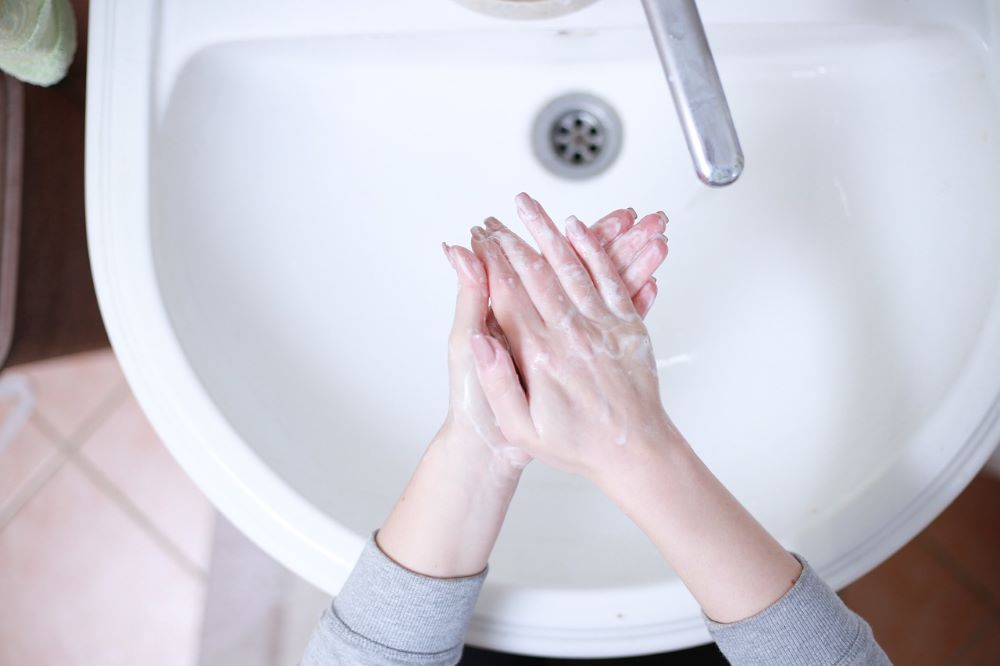
Children should always wash their hands, particularly before meals and after interacting with or playing with pets. This stops the bacteria from propagating, particularly if the pet has been outside or in the garden.
Keep Pets On a Leash During Walks
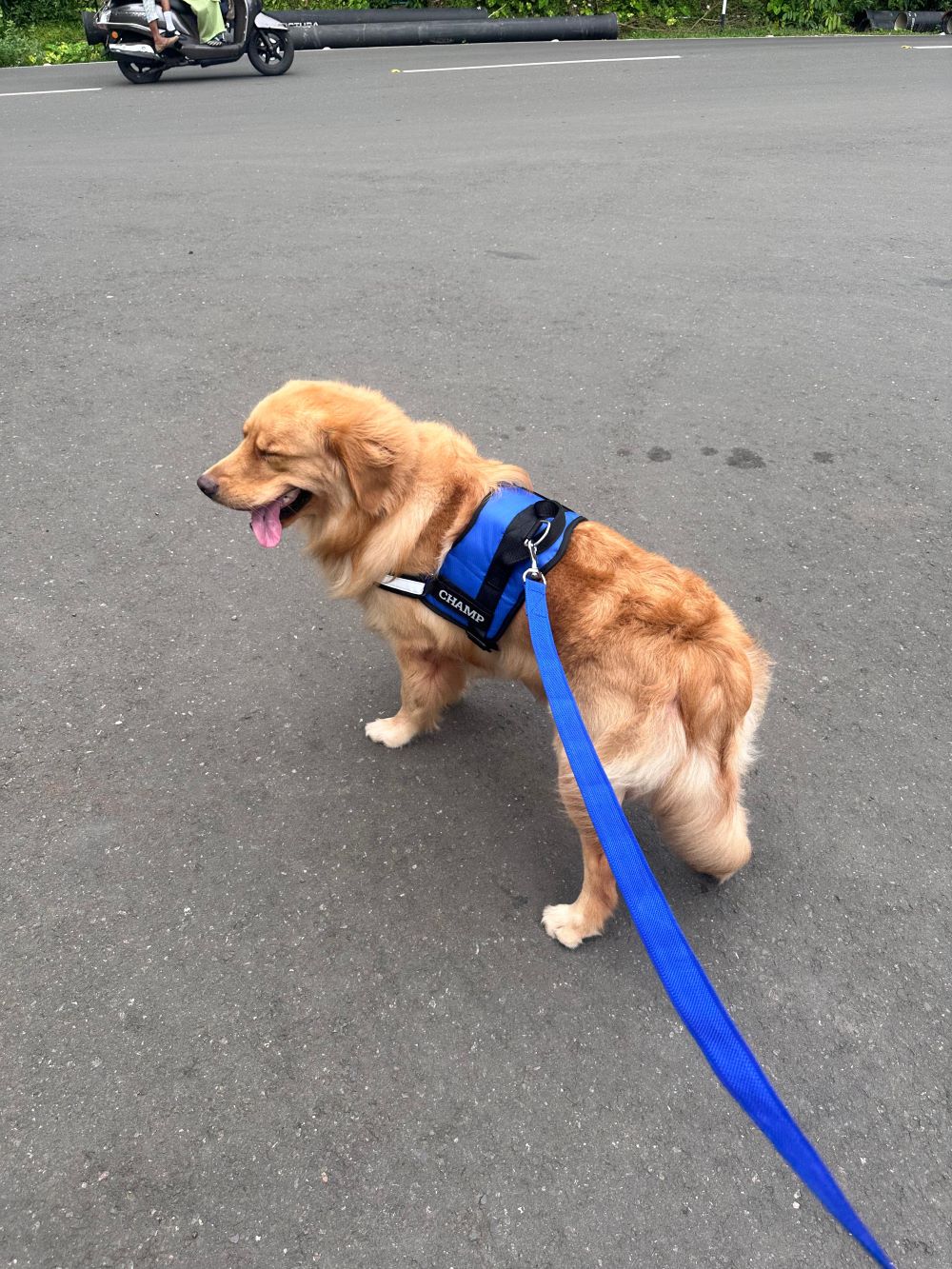
Dogs should never be taken for walks without a leash, especially if kids are nearby. With improved control and comfort, a personalized dog harness may make walking safer for both the dog and the child.
Teach Kids to Follow Pet Limits
Like people, pets too require their own space. For example, when the pet returns to a bed, indoor, or similar peaceful place, teach your kids to respect the pet's boundaries.
In Summary
The most important aspect of ethical pet ownership is teaching your kids how to interact with animals in a safe and responsible manner. There are several ways to keep your children and dogs safe, from teaching correct handling techniques to employing equipment like customized dog harnesses for walks. Recall that the most important things when it comes to pet safety, particularly for smaller children, are supervision and instruction.
Safety should always come first, whether you're purchasing a canine harness for your pet or establishing boundaries during playtime. You can guarantee a peaceful, secure relationship between your children and pets with the correct advice and supplies.
FAQ (Frequently Asked Questions)
Q. How do I keep my child safe around pets?
Ans: Supervise interactions, teach gentle handling, avoid rough play, and educate on pet body language.
Q. What is the safest pet for kids?
Ans: Generally, small, calm pets like fish, guinea pigs, or well-trained dogs and cats.
Q. What are some safety tips for kids?
Ans: Be gentle, wash hands after touching pets, and avoid disturbing animals during eating or resting.
Q. What are the animal safety tips?
Ans: Approach animals calmly, read their body language, and never feed them human food.
Q. How do I protect my child from a dog?
Ans: Teach kids not to approach strange dogs, supervise closely, and use a leash or harness when walking your dog.